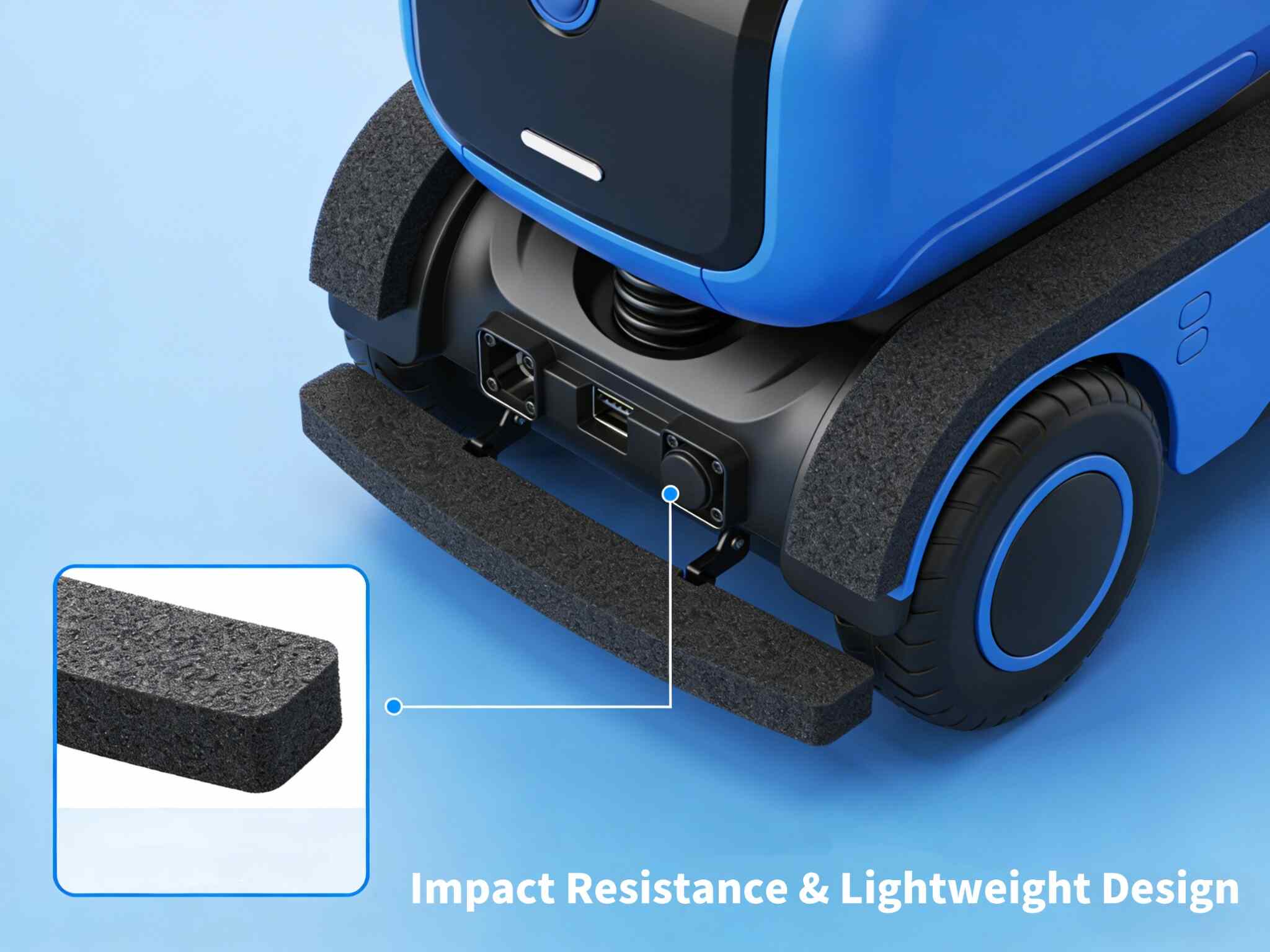
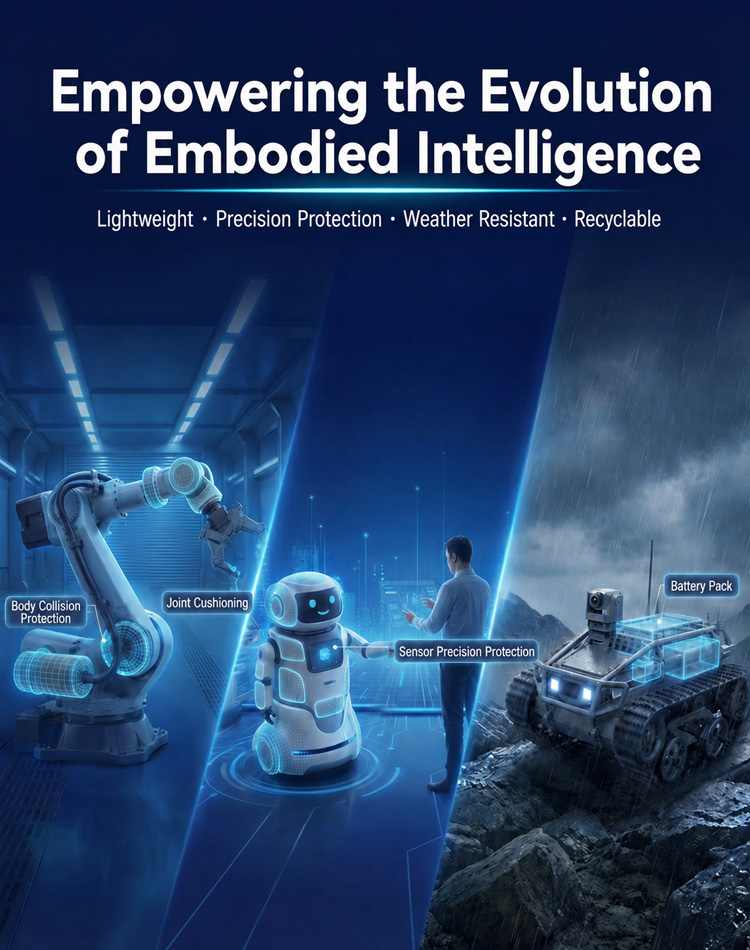
a. Challenge: Operational collisions lead to structural damage and high energy consumption
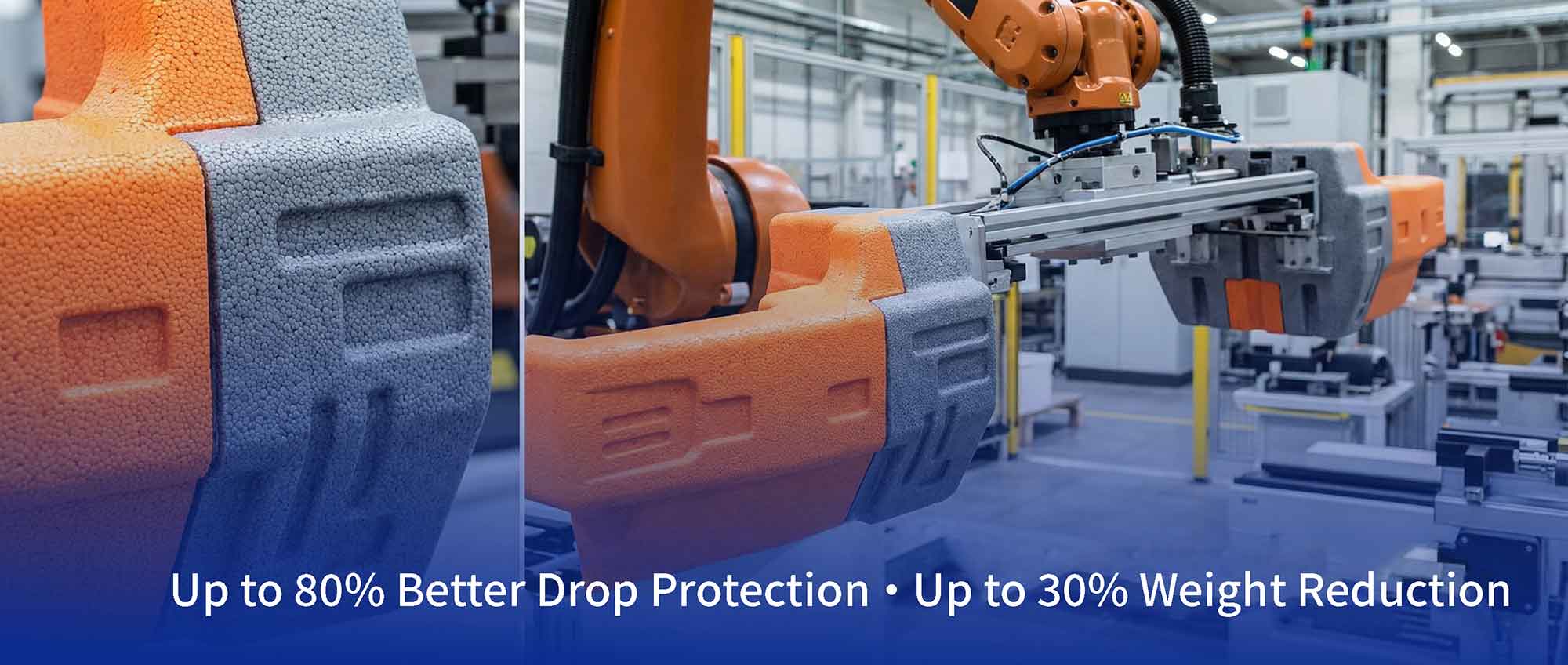
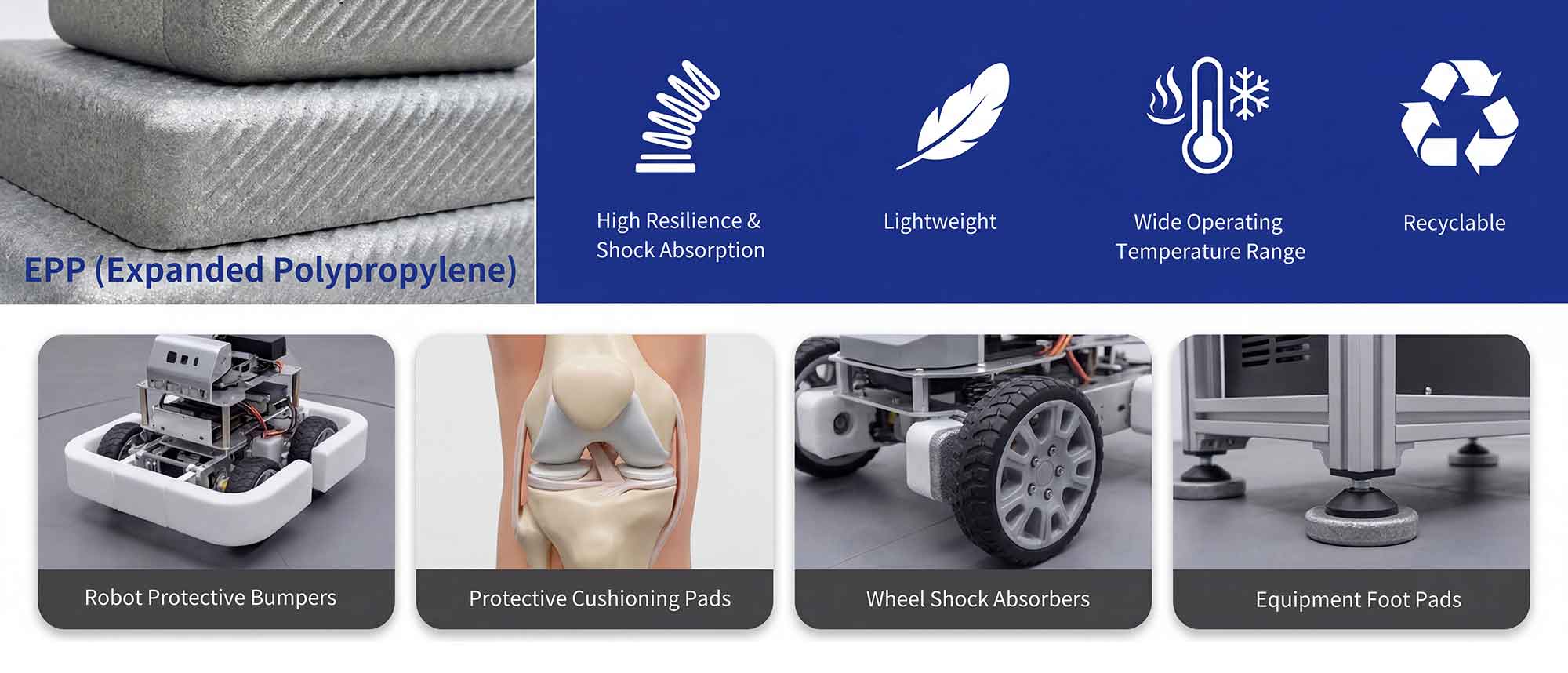
b. Material Selection: EPP (30–40 kg/m³) + EPO composite application
c. Core Benefits: Withstands 1.5 m drop without damage; absorbs 80% of impact energy; reduces weight by 30%+ vs conventional plastics, lowering energy consumption
d. Applications: Industrial handling robots, service robot housings, and protective shells for special-purpose robots
e. Image: EPP impact bumper installed on robot body
Joint & Locomotion Vibration Damping
a. Challenge: Vibration accelerates joint wear and reduces motion stability on uneven terrain
b. Material Selection: High-resilience EPP (40–50 kg/m³)
c. Core Benefits: Damps vibration across 5–2000 Hz, reduces joint wear, and improves motion precision
d. Applications: AGV robot joints, service robot wheels, and outdoor inspection robot tracks
e. Image: EPP damping pad for robotic joint
1.Fuselage & Motion System
Electronic Control System Protection & Thermal Management
a. Challenge: Control modules are sensitive to short circuits, vibration, and temperature fluctuations
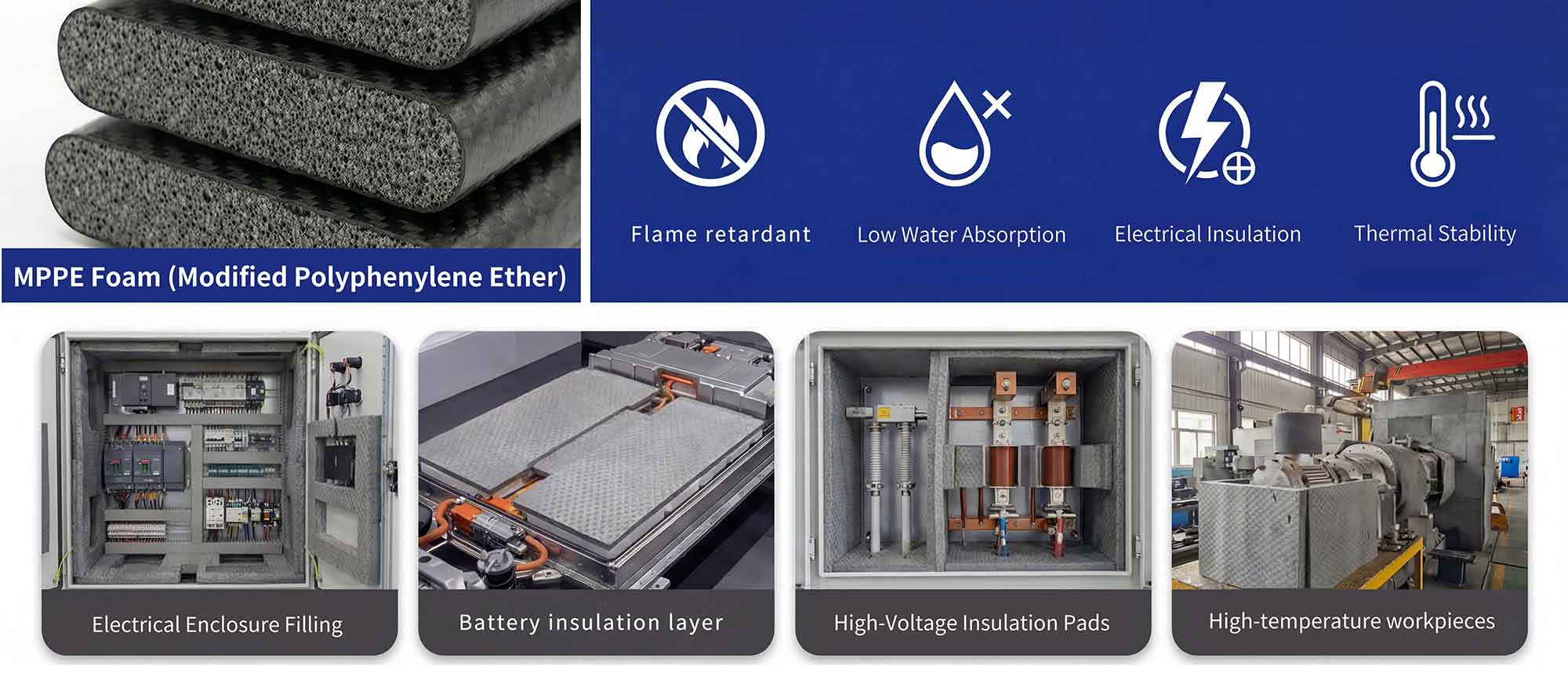
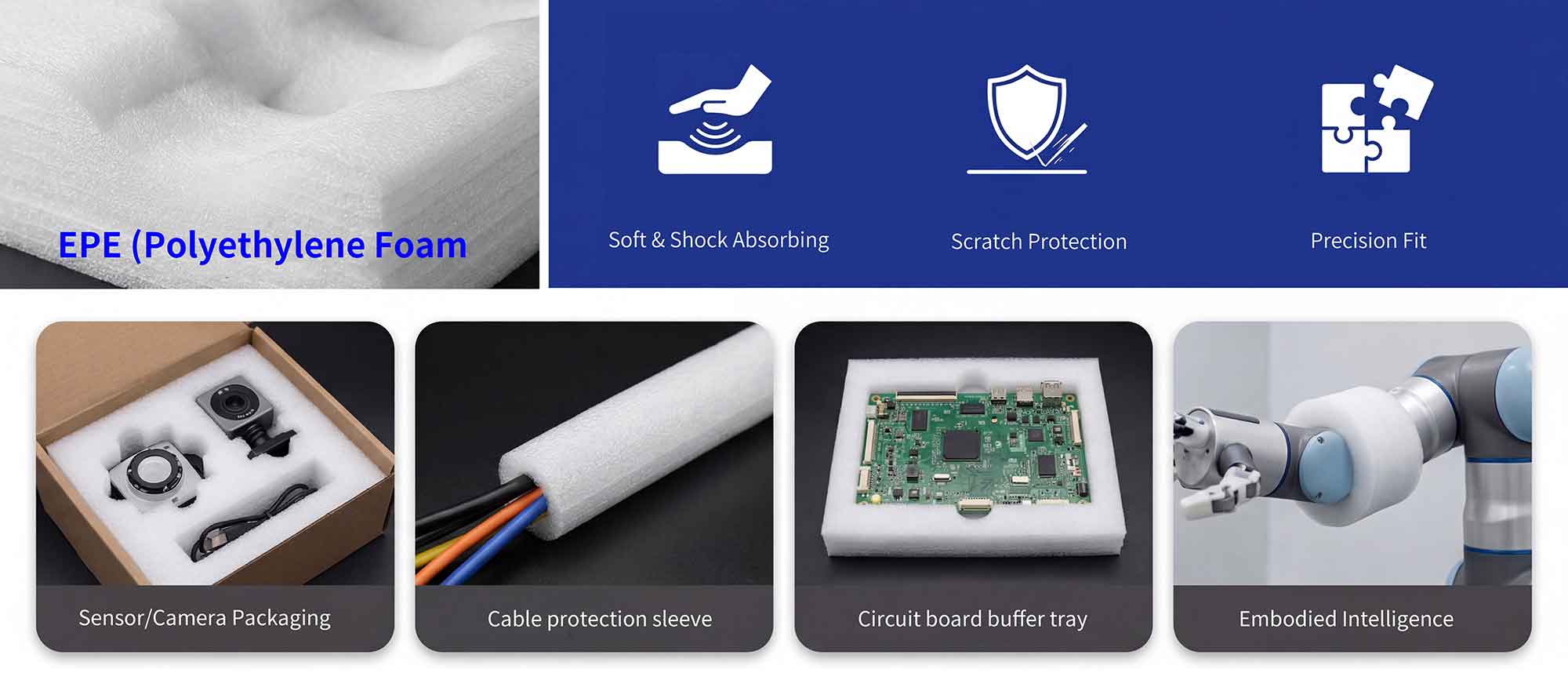
b. Material Selection: Flame-retardant MPPE + EPE cushioning inserts
c. Core Benefits: Electrical insulation and flame resistance prevent short circuits; stable operation from -40°C to 110°C; vibration absorption protects components
d. Applications: Industrial robot control cabinets and intelligent device control modules
e. Image: MPPE-filled control box with EPE internal structure
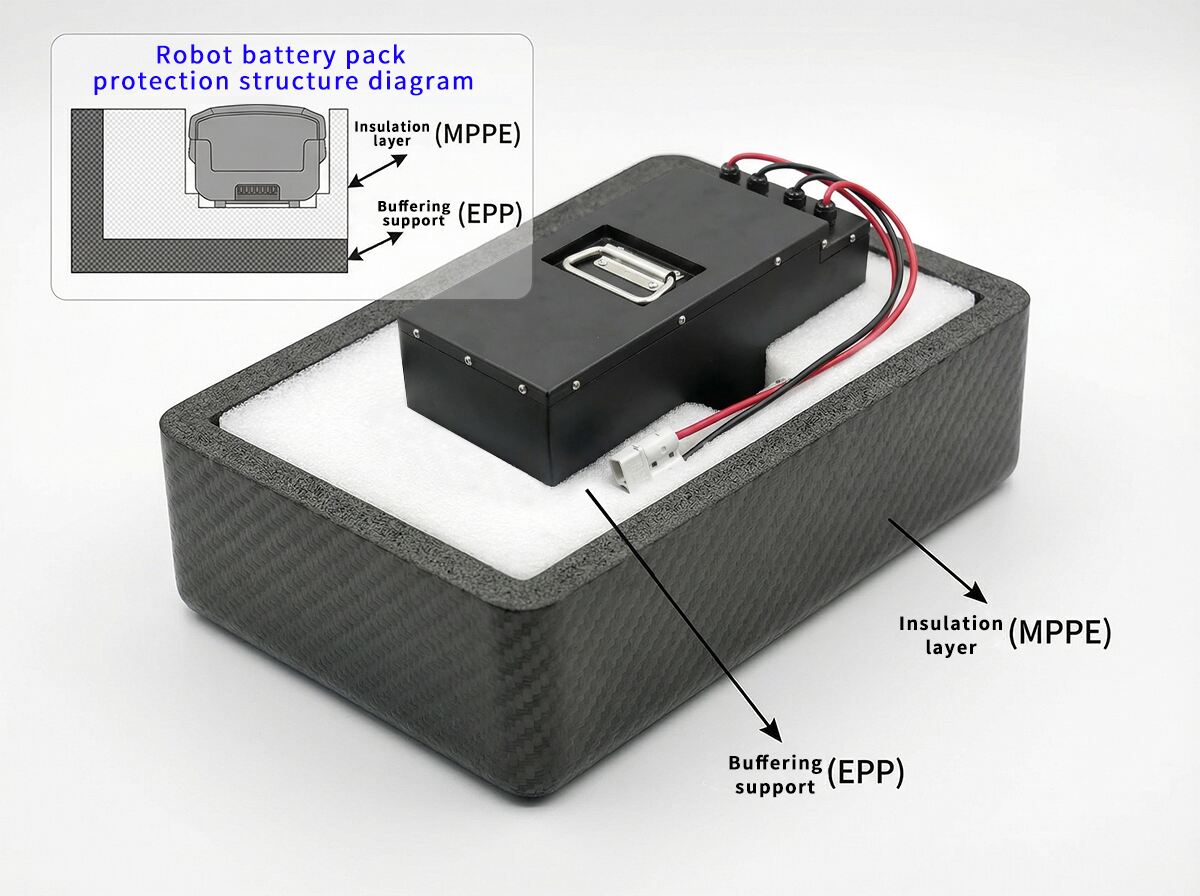
Battery Pack Safety Protection
a. Challenge: Thermal runaway risk and impact damage during operation
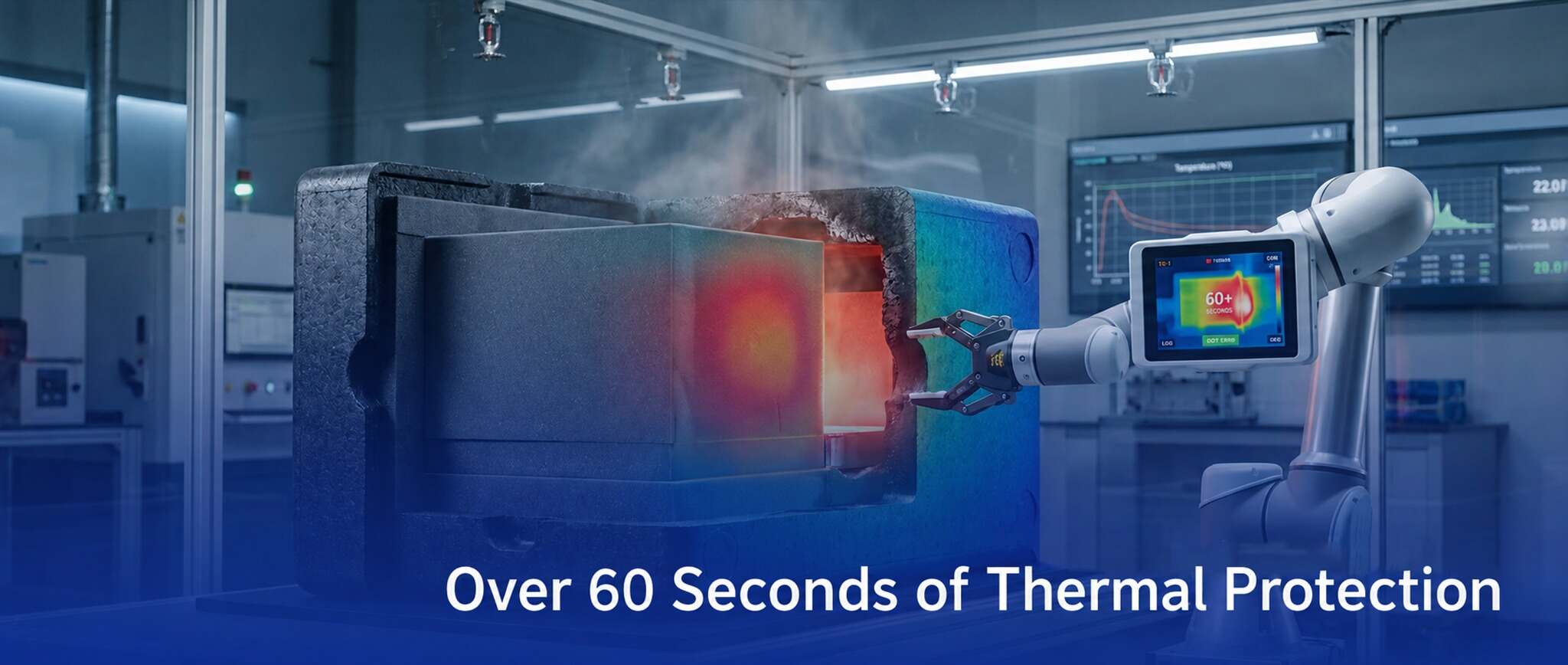
b. Material Selection: MPPE thermal insulation layer + EPP structural support
c. Core Benefits: Delays thermal propagation ≥60s; absorbs impact to protect cells; ensures stable performance in humid environments
d. Applications: Robot power battery packs and smart wearable battery compartments
e. Image: Battery pack protection structure diagram
2.Electronic Control & Battery System
Precision Component Protection & Adaptation
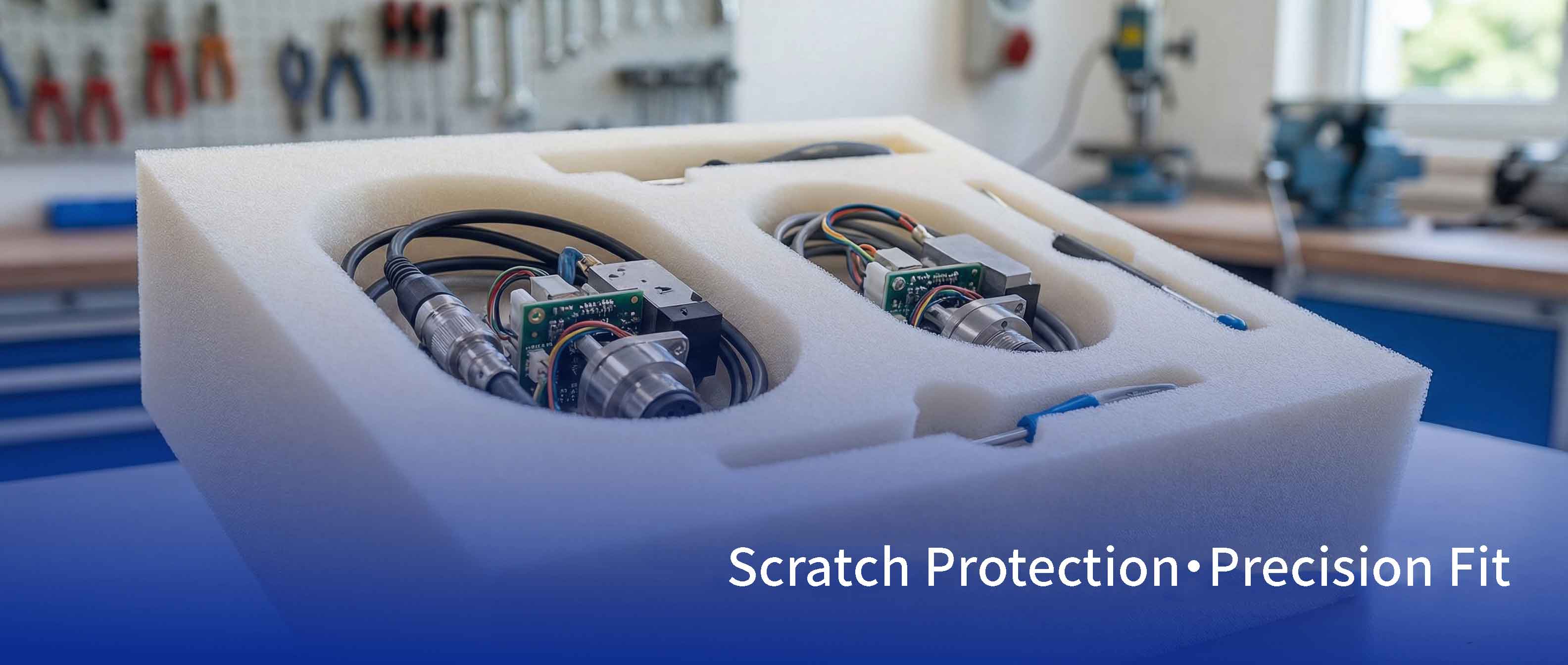
a. Challenge: Sensors and cameras are vulnerable to scratches and vibration
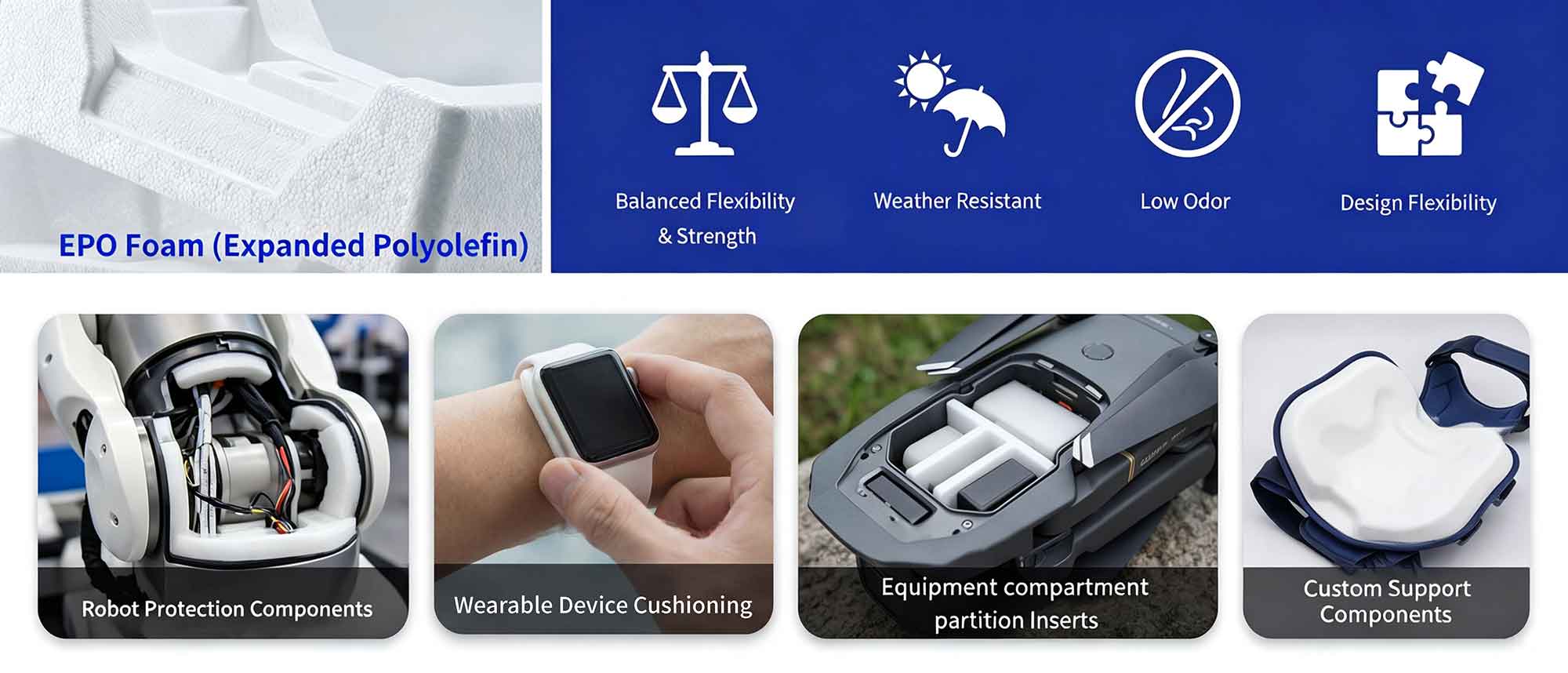
b. Material Selection: EPE composite foam + custom EPO inserts
c. Core Benefits: Soft cushioning prevents surface damage; custom molding ensures precise fit; moisture and dust resistance
d. Applications: Robotic vision sensors and precision transmission components
e. Image: EPE protective insert for sensor packaging
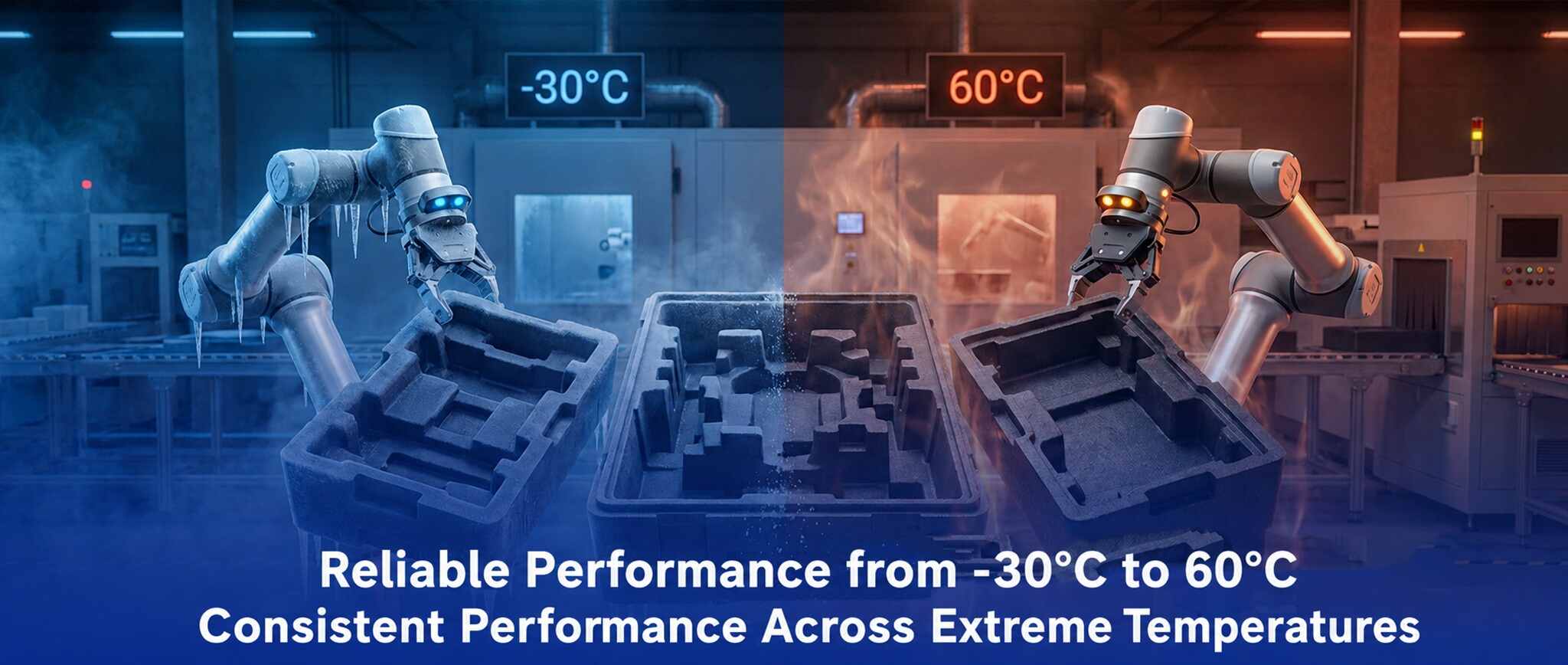
Warehousing & Transportation Packaging
a. Challenge: Transport vibration and environmental changes affect equipment safety
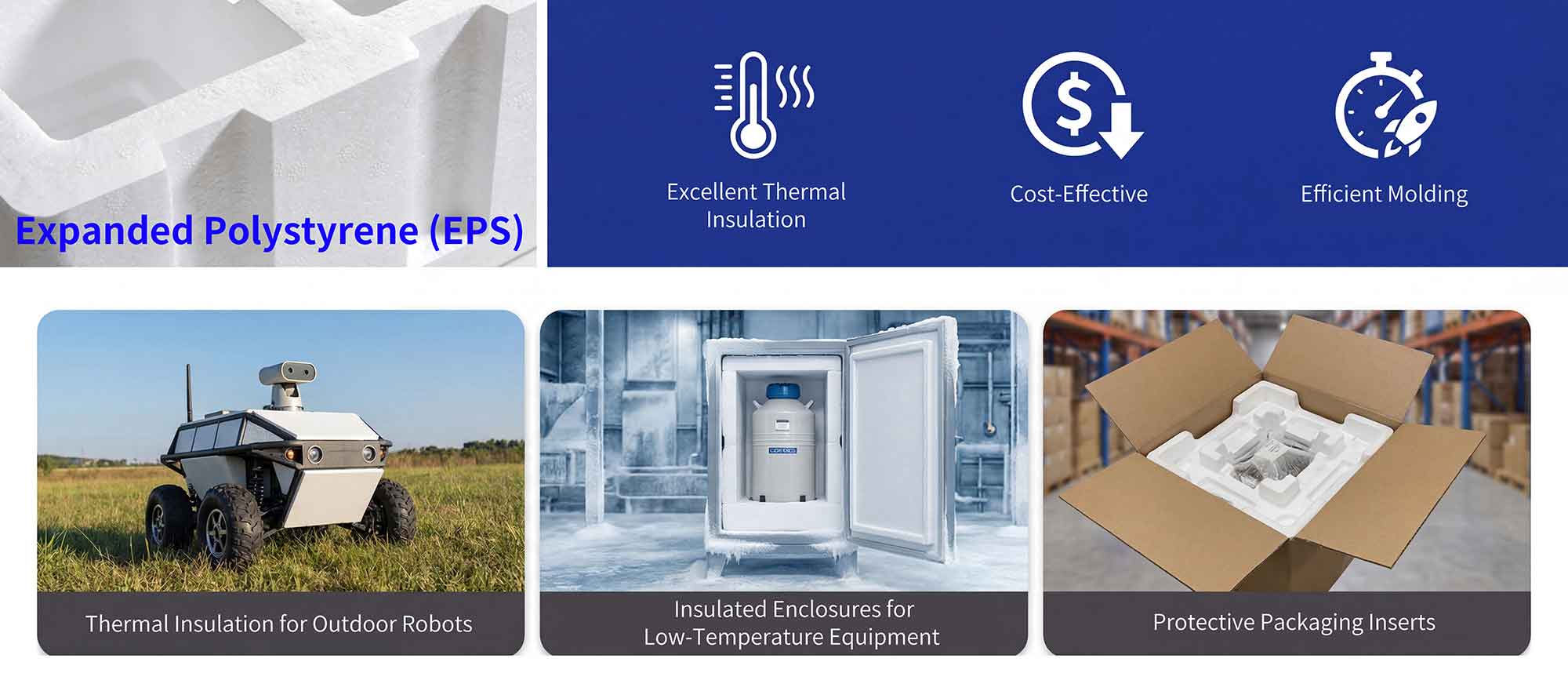
b. Material Selection: EPE inner tray + EPS outer shell + EPP structural support
c. Core Benefits: Adapts to -30°C to 60°C; full-range cushioning; thermal insulation and moisture resistance
d. Applications: Whole robot transportation and precision component logistics
e. Image: Robot transport packaging system
3.Logistics & Operation Equipment
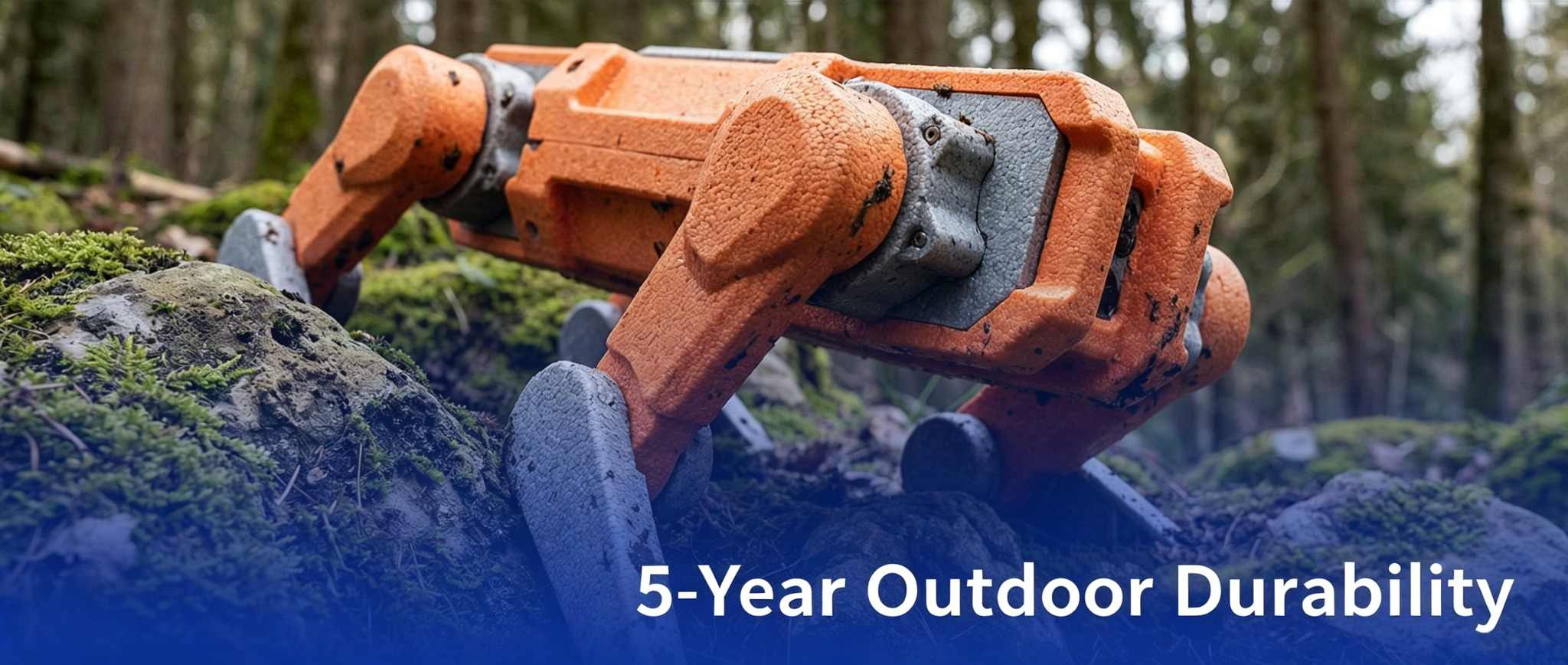
Outdoor & Weather-Resistant Operation Adaptation
a. Challenge: Sun, rain, and low temperatures cause aging and performance degradation
b. Material Selection: EPO structural components + EPS insulation layer
c. Core Benefits: Stable outdoor performance up to 5 years; thermal stability under extreme conditions
d. Applications: Outdoor inspection robots and low-temperature operation robots
e. Image: EPO structural components on outdoor robot
Clean & Eco-Friendly Scenario Adaptation
a. Challenge: Medical and food environments require non-toxic, odor-free materials
b. Material Selection: Recyclable EPP + low-VOC EPE
c. Core Benefits: Odor-free and non-toxic; fully recyclable; compliant with clean environment standards
d. Applications: Medical service robots, food logistics robots, and cleanroom AGVs
e. Image: EPP interior lining for medical robot



.jpeg)
.jpeg)
.jpeg)
.jpeg)
.jpeg)