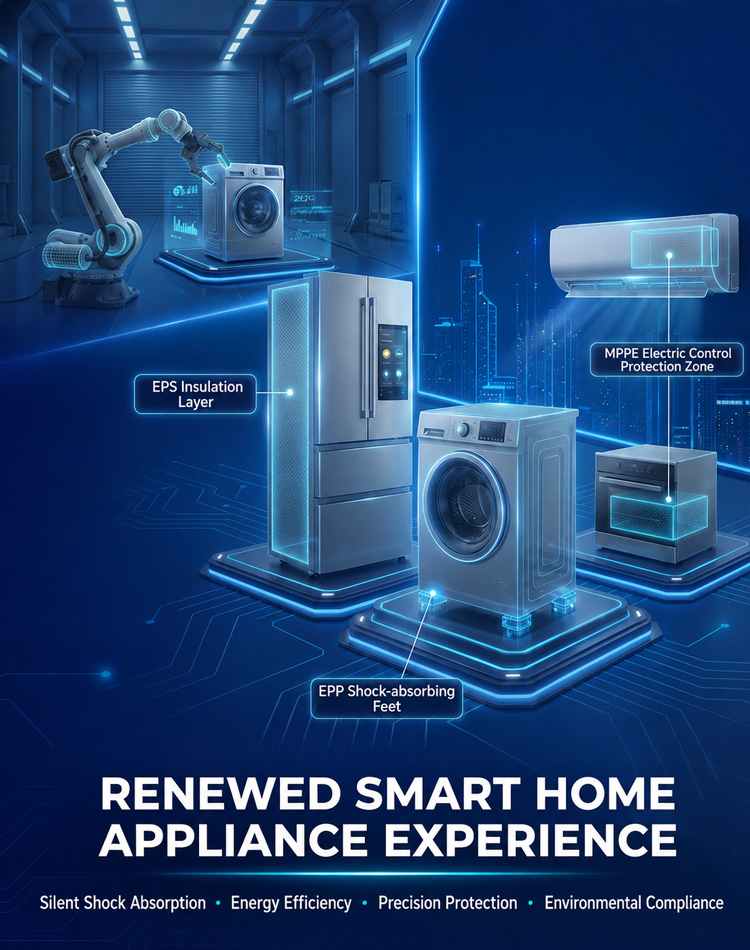
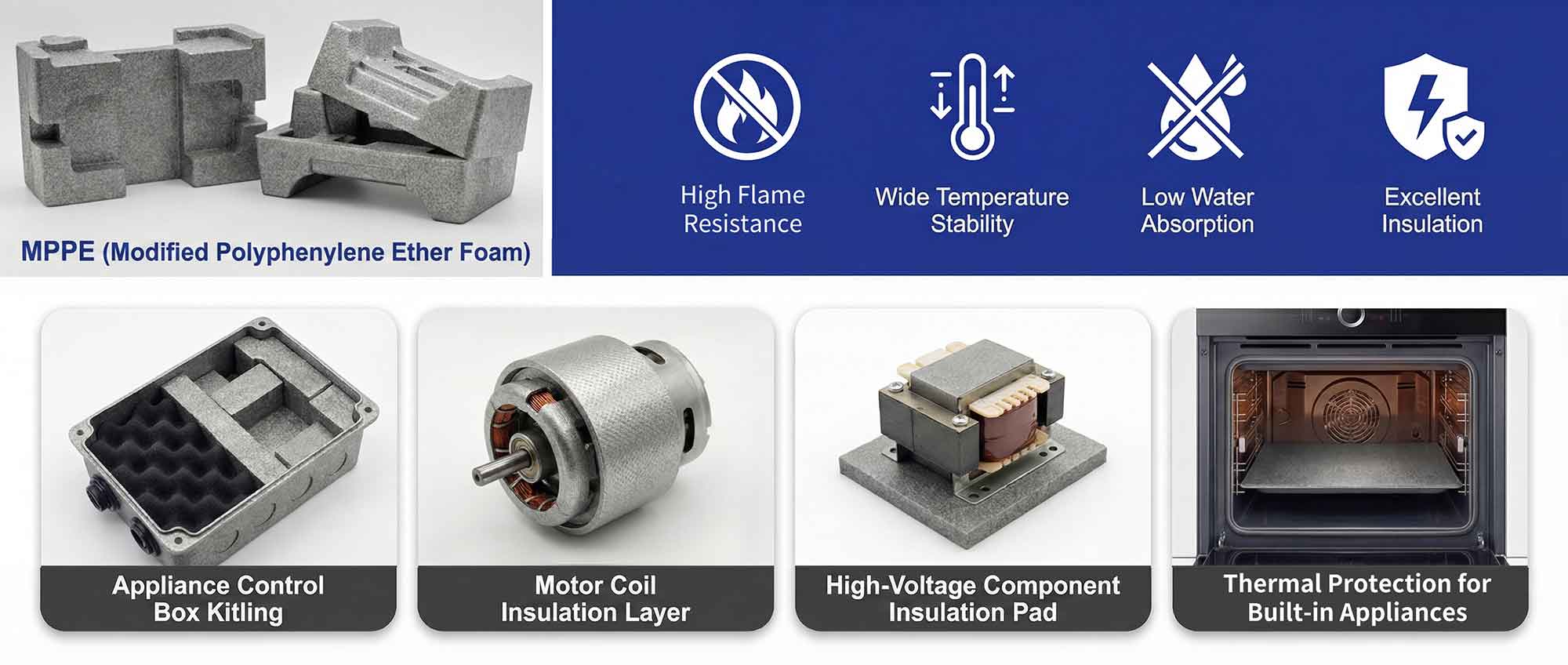
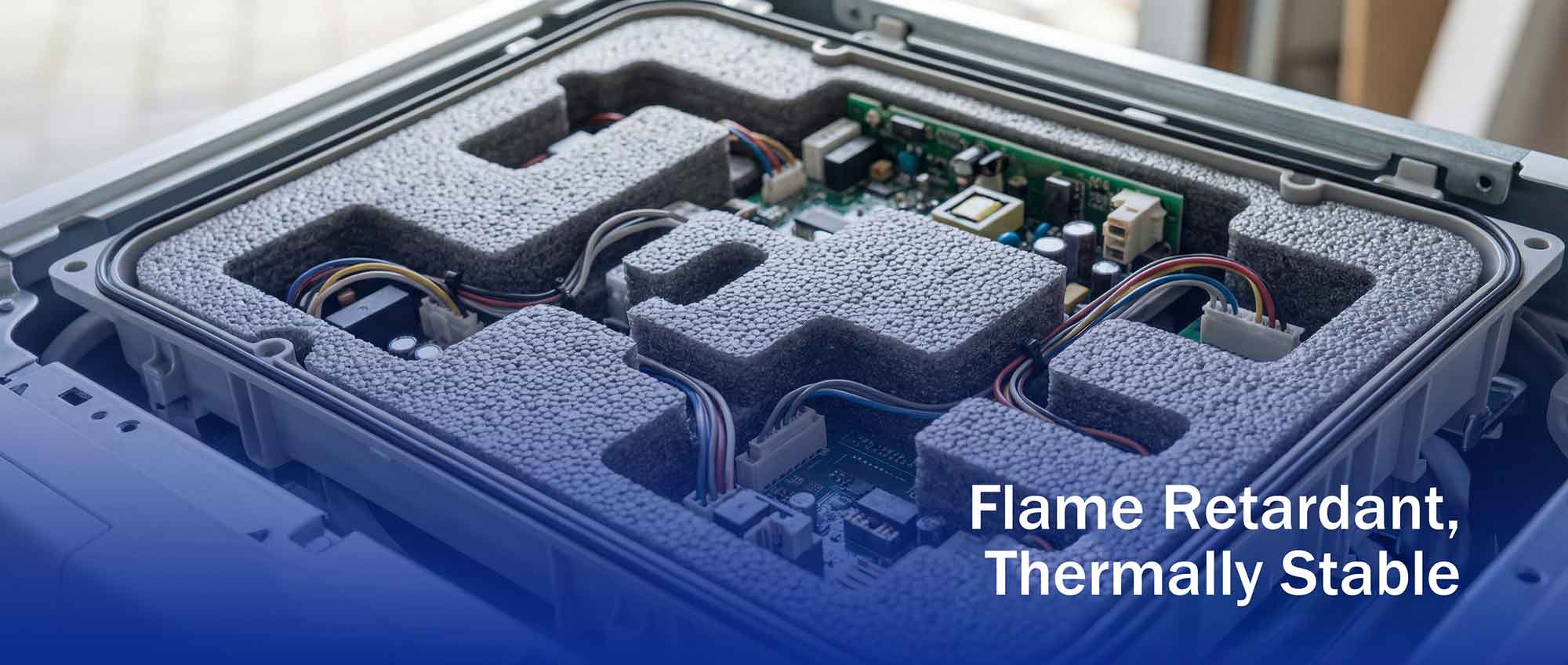
a. Challenge: Electrical short-circuit risk, motor overheating, and vibration-induced component failure
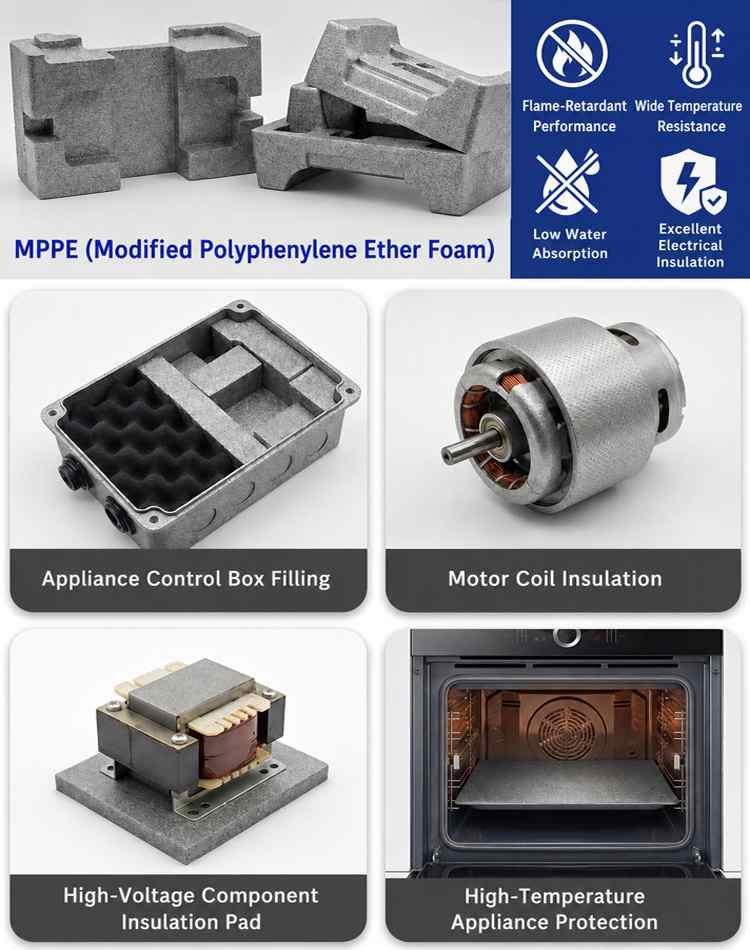
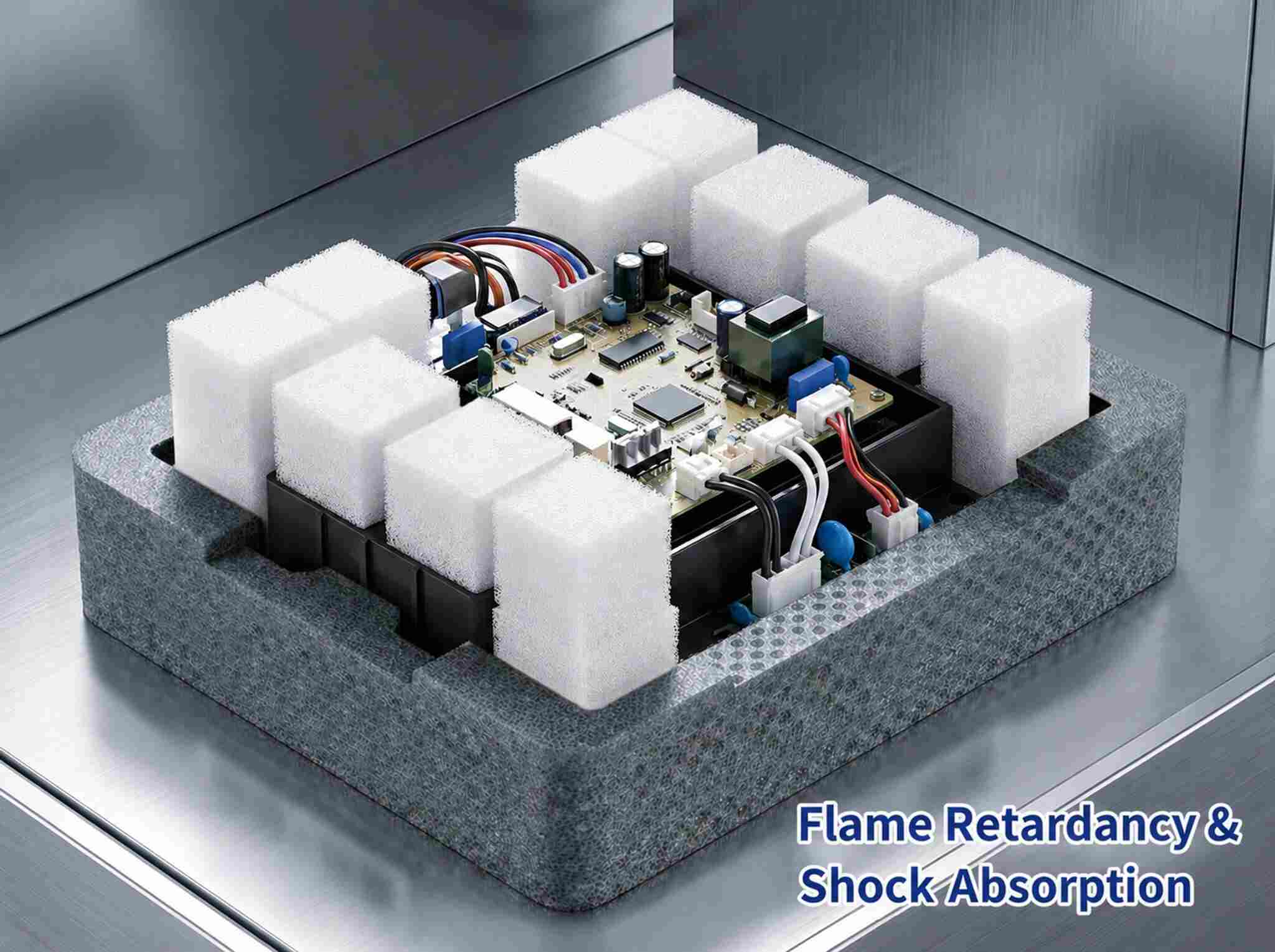
b. Material Selection: Flame-retardant MPPE + EPE composite system
c. Core Benefits: Flame resistance and short-circuit prevention; high-temperature durability; vibration absorption to protect solder joints; low-VOC and safe for indoor environments
d. Applications: Refrigerators & air conditioner control boxes, washing machine motors, and high-temperature zones in built-in appliances
e. Image: MPPE-filled control box with EPE internal structure
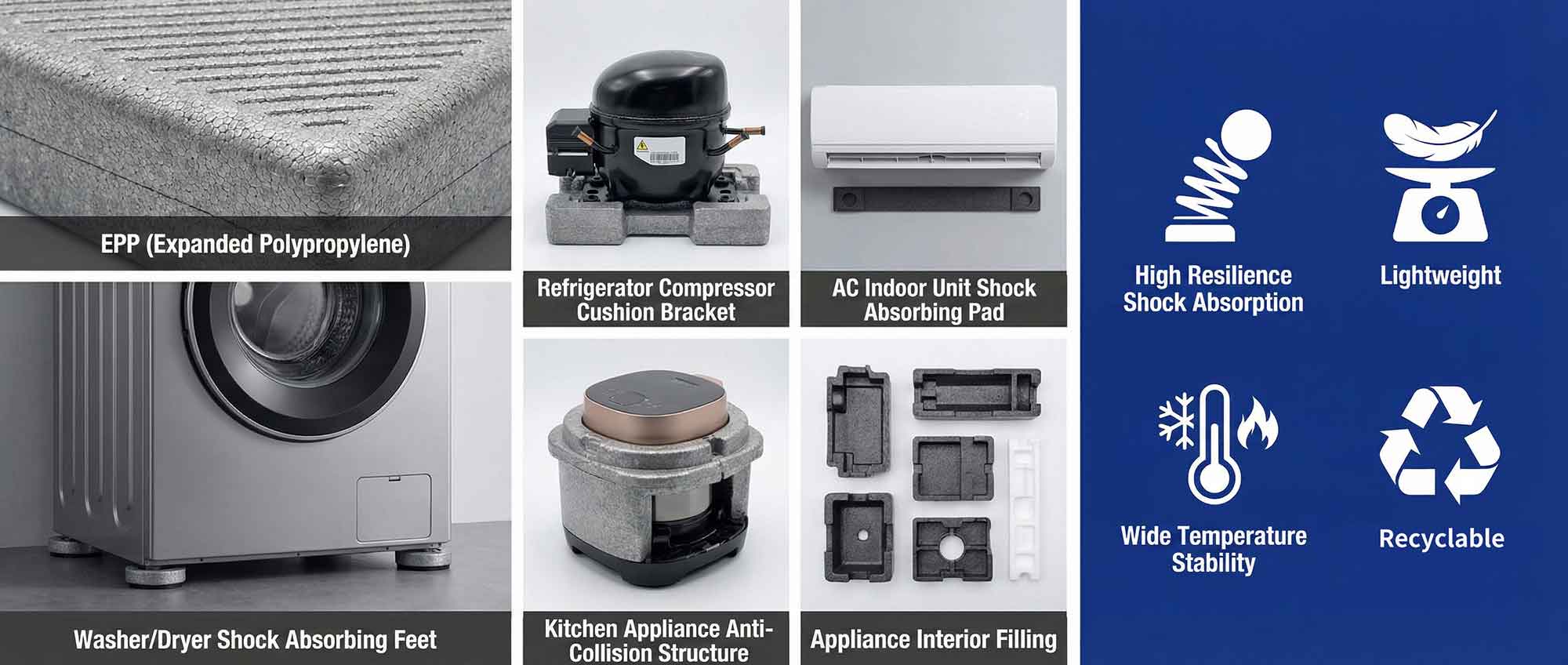
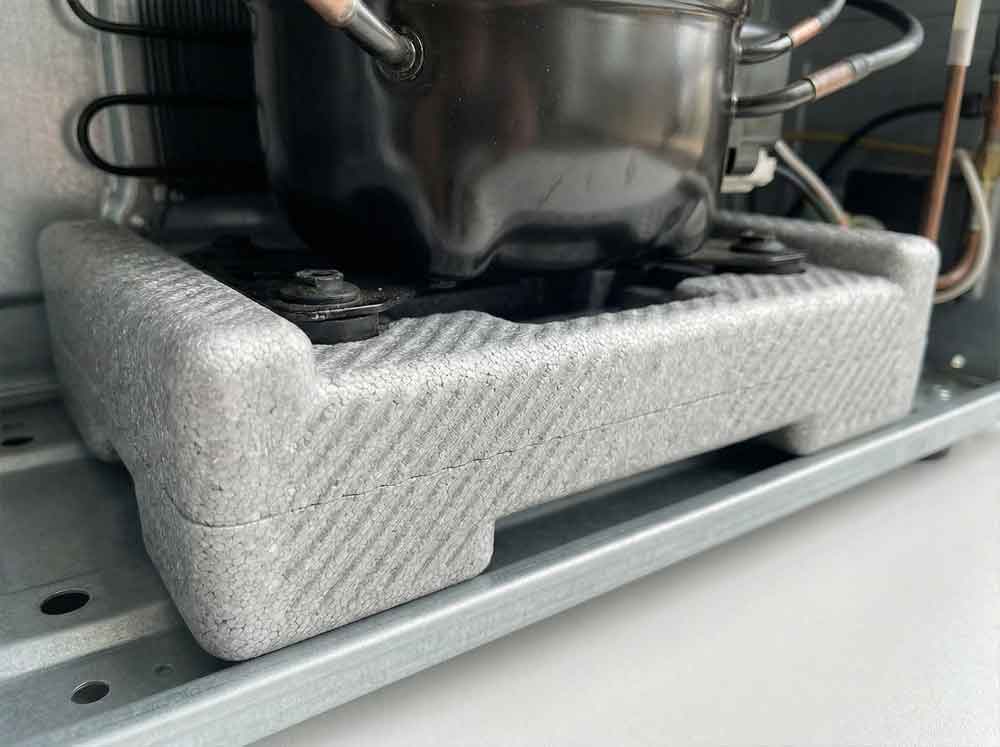
Compressor & Power Component Buffering
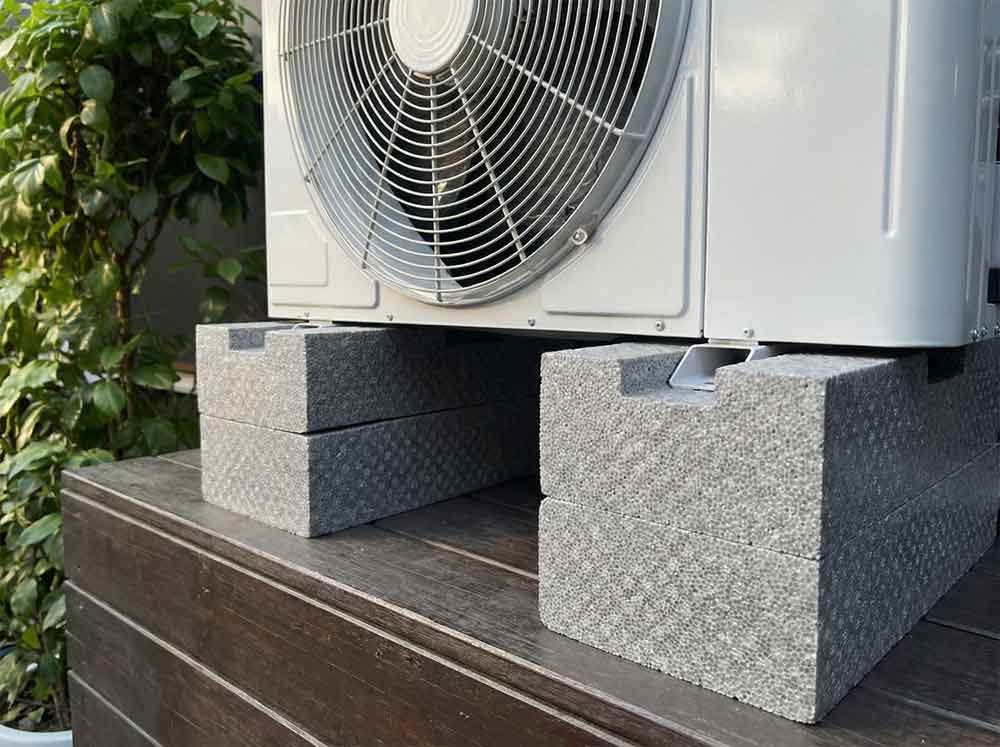
a. Challenge: Compressor vibration wear and high operational noise
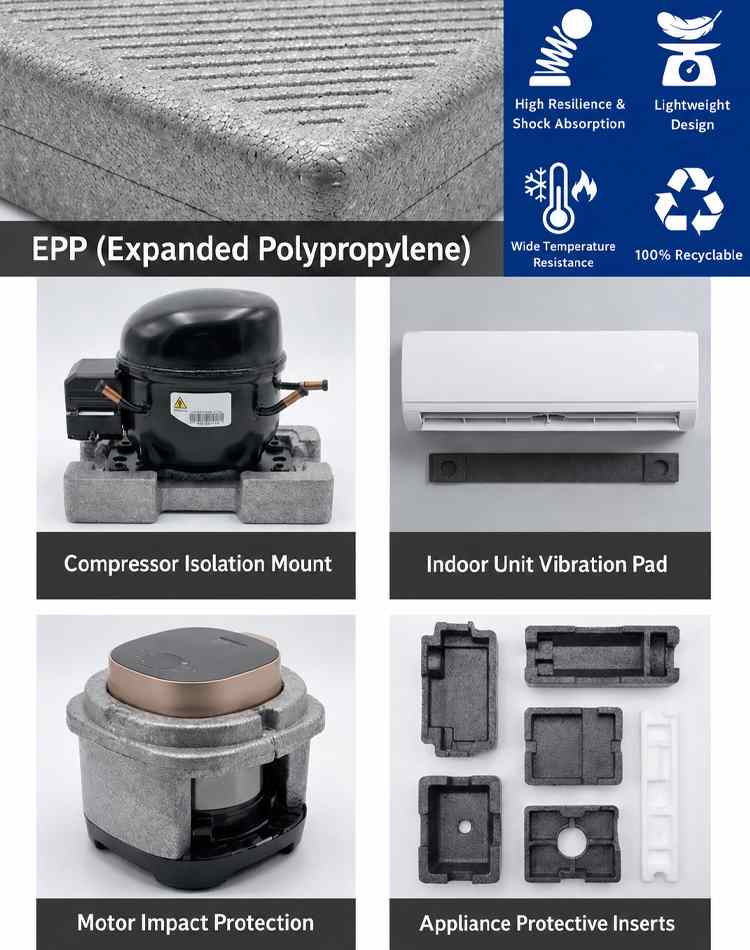
b. Material Selection: High-resilience EPP
c. Core Benefits: Effective vibration absorption; extended service life; reduced resonance noise
d. Applications: Refrigerator compressors, air conditioner outdoor compressors, and washing machine drive systems
e. Image: EPP compressor mounting bracket
1.Core Component Protection & Safety Assurance
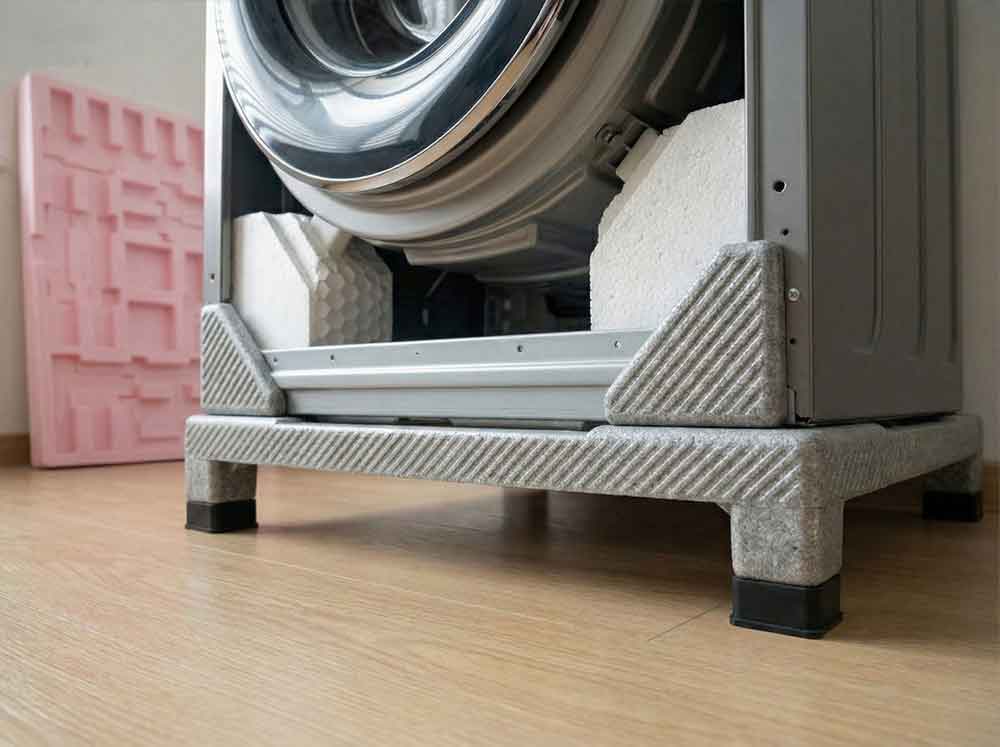
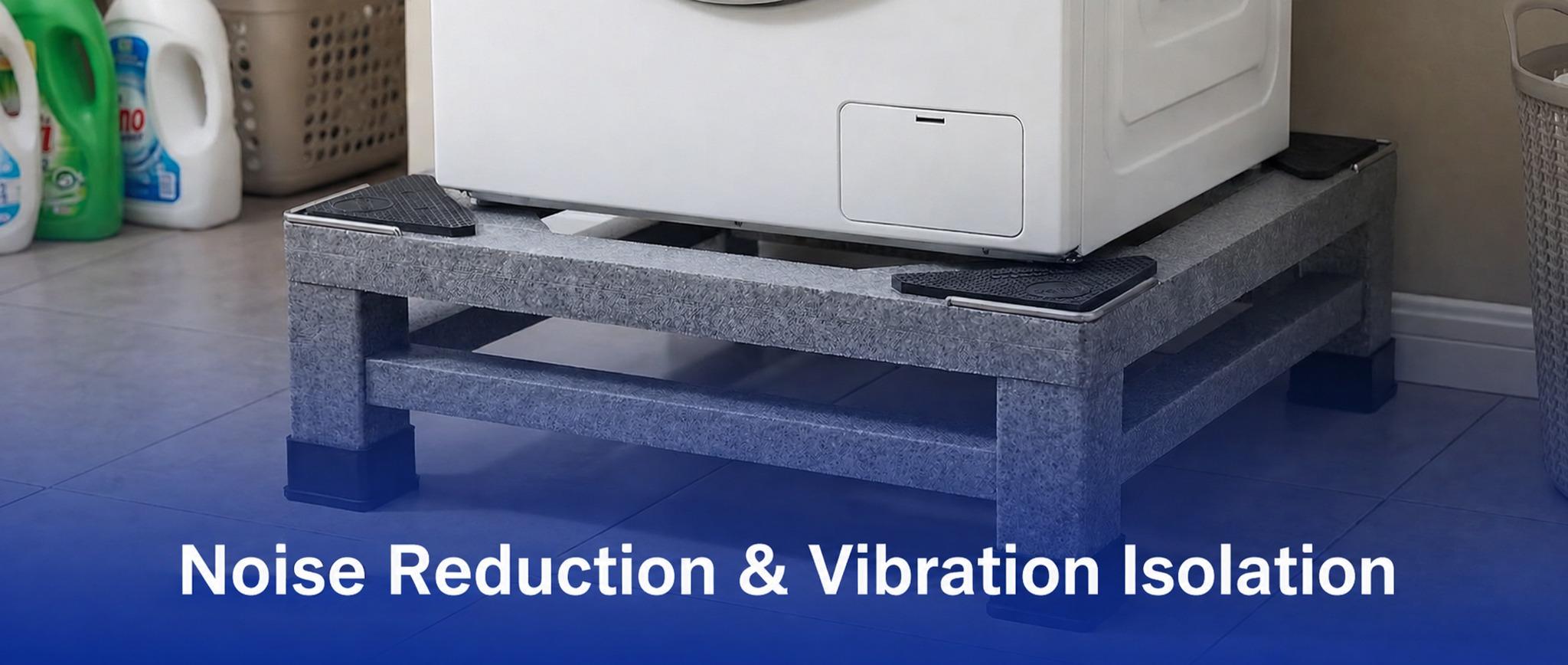
Complete Machine Vibration Reduction System
a. Challenge: Washing machine shaking and air conditioner operational noise
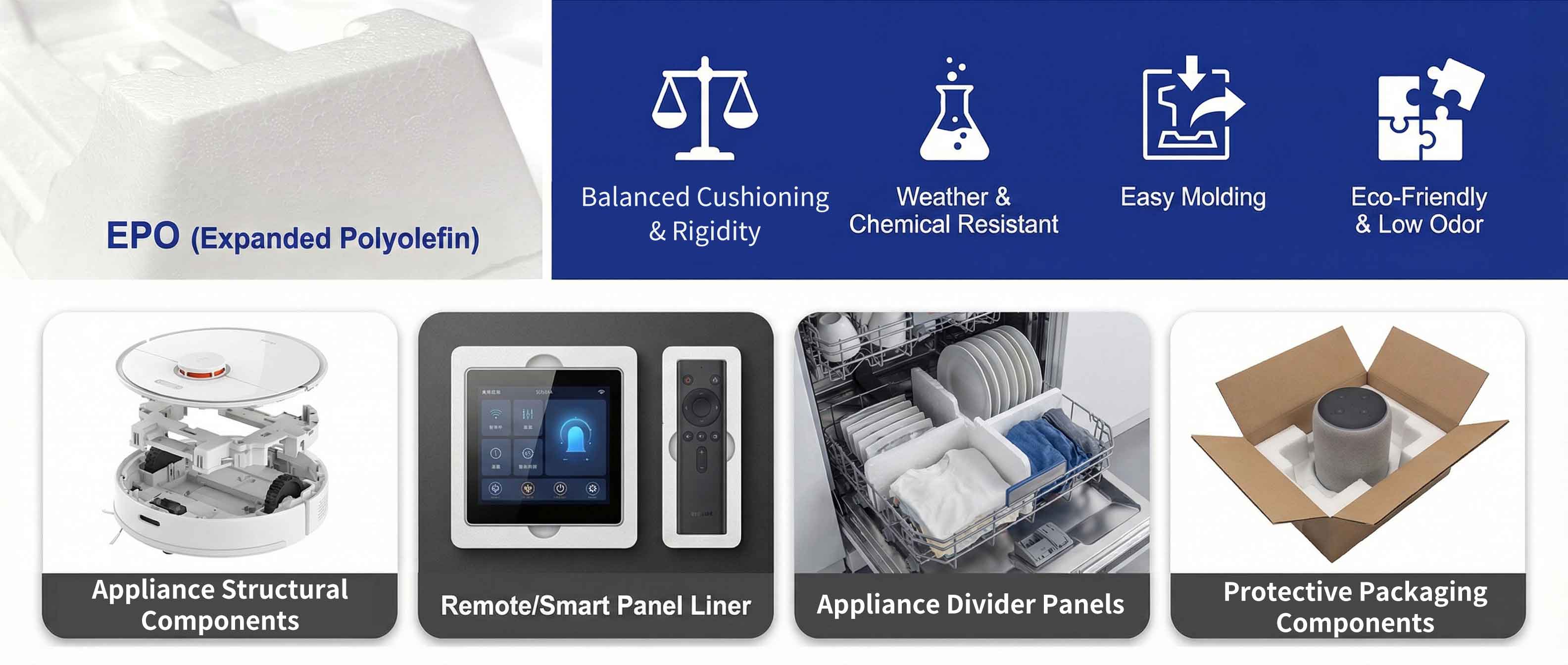
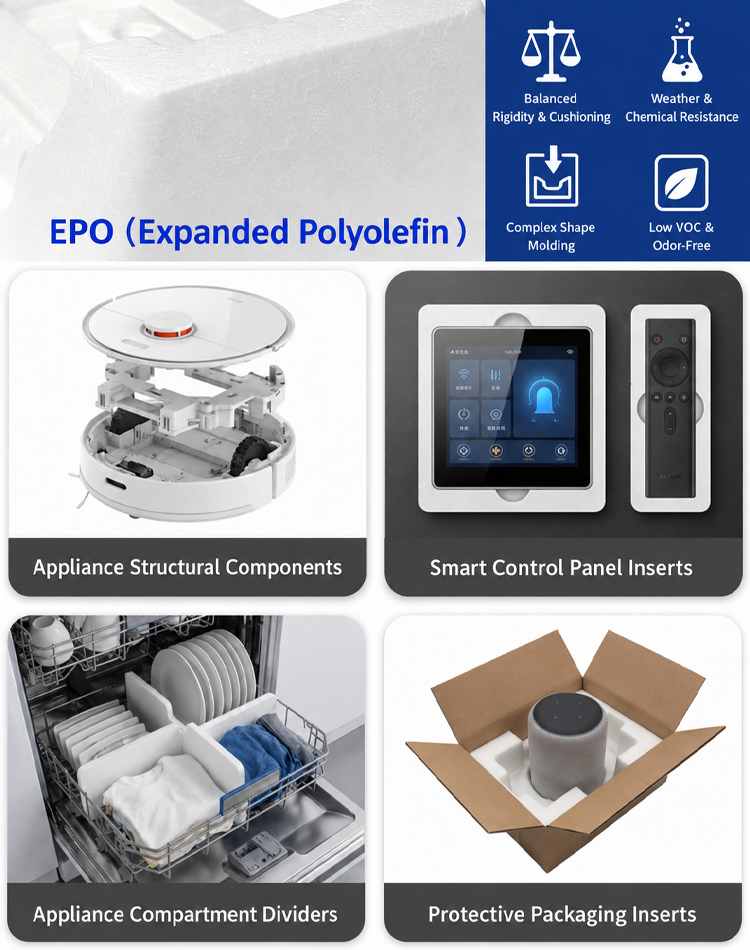
b. Material Selection: EPP damping components + EPO auxiliary cushioning
c. Core Benefits: EPP damping feet reduce vibration and noise; EPO suspension components reduce fan vibration transmission
d. Applications: Washing machine feet, indoor air conditioner suspension frames, and dryer damping pads
e. Image: EPP washing machine damping foot installation
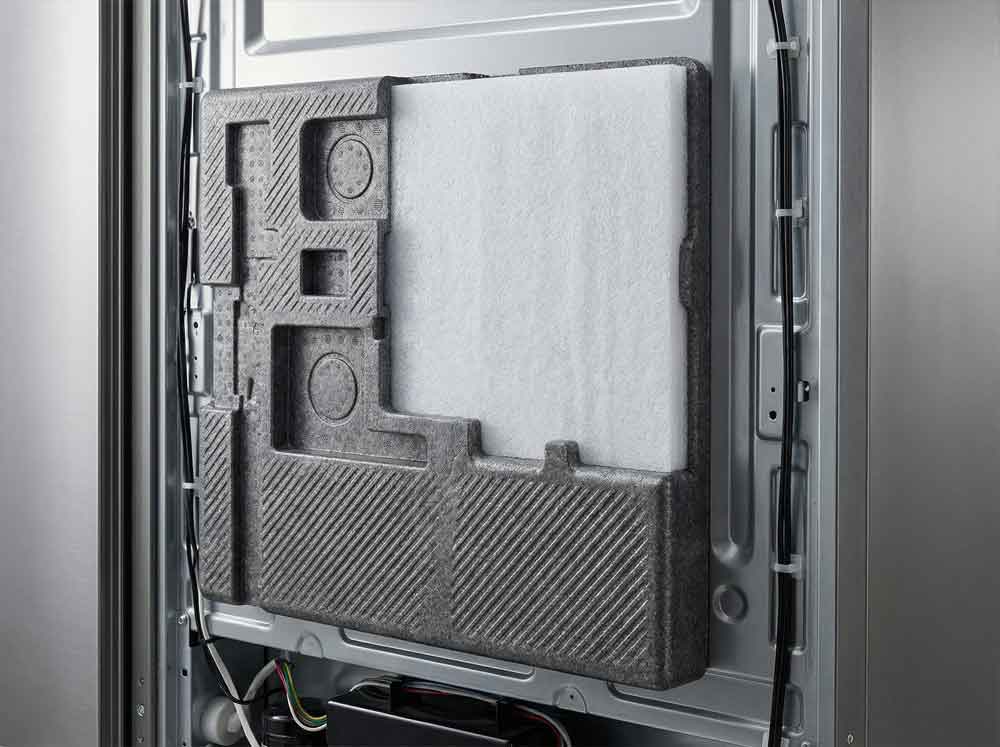
Acoustic Package & Sound Insulation Optimization
a. Challenge: High-frequency noise during appliance operation
b. Material Selection: EPE/EPP composite acoustic layer
c. Core Benefits: Efficient mid-to-high frequency noise reduction without added weight
d. Applications: Refrigerator insulation panels, washing machine acoustic pads, and kitchen appliance fan noise reduction
e. Image: Refrigerator side panel acoustic insulation layer
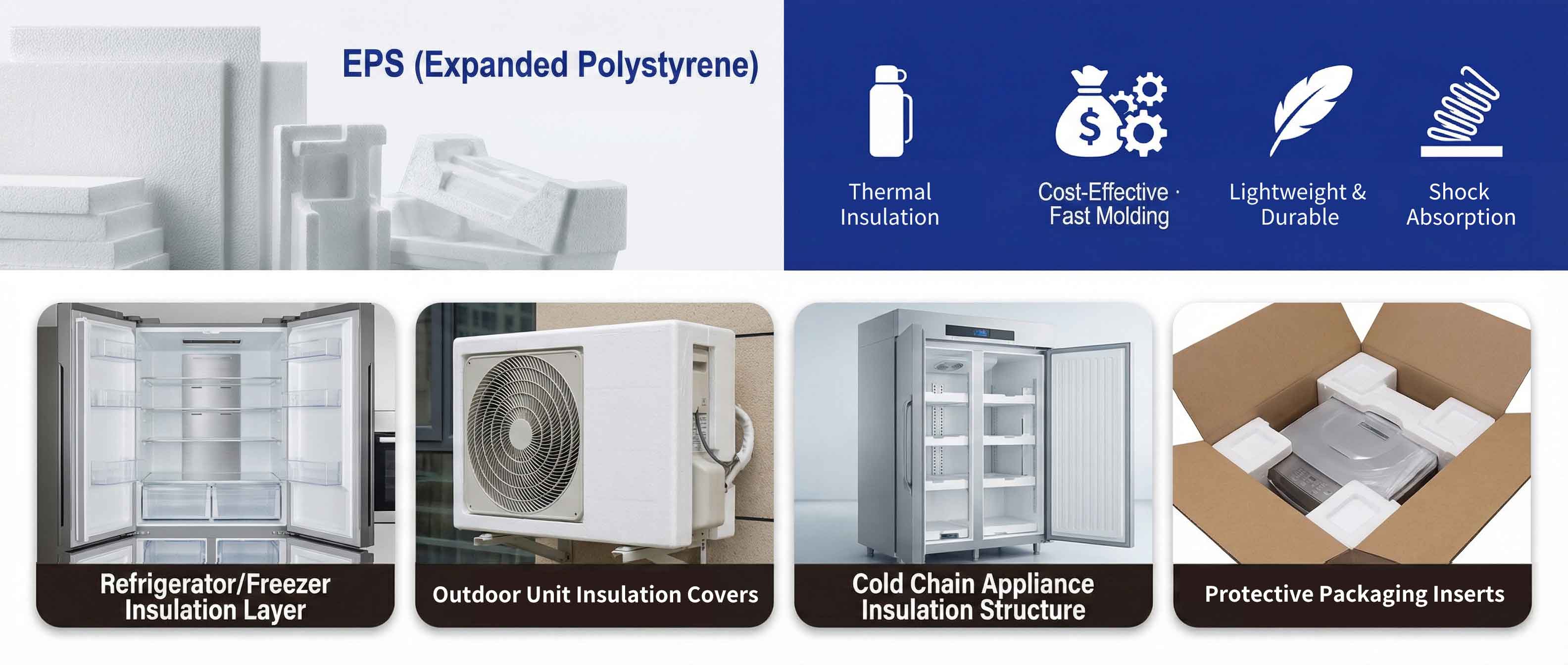
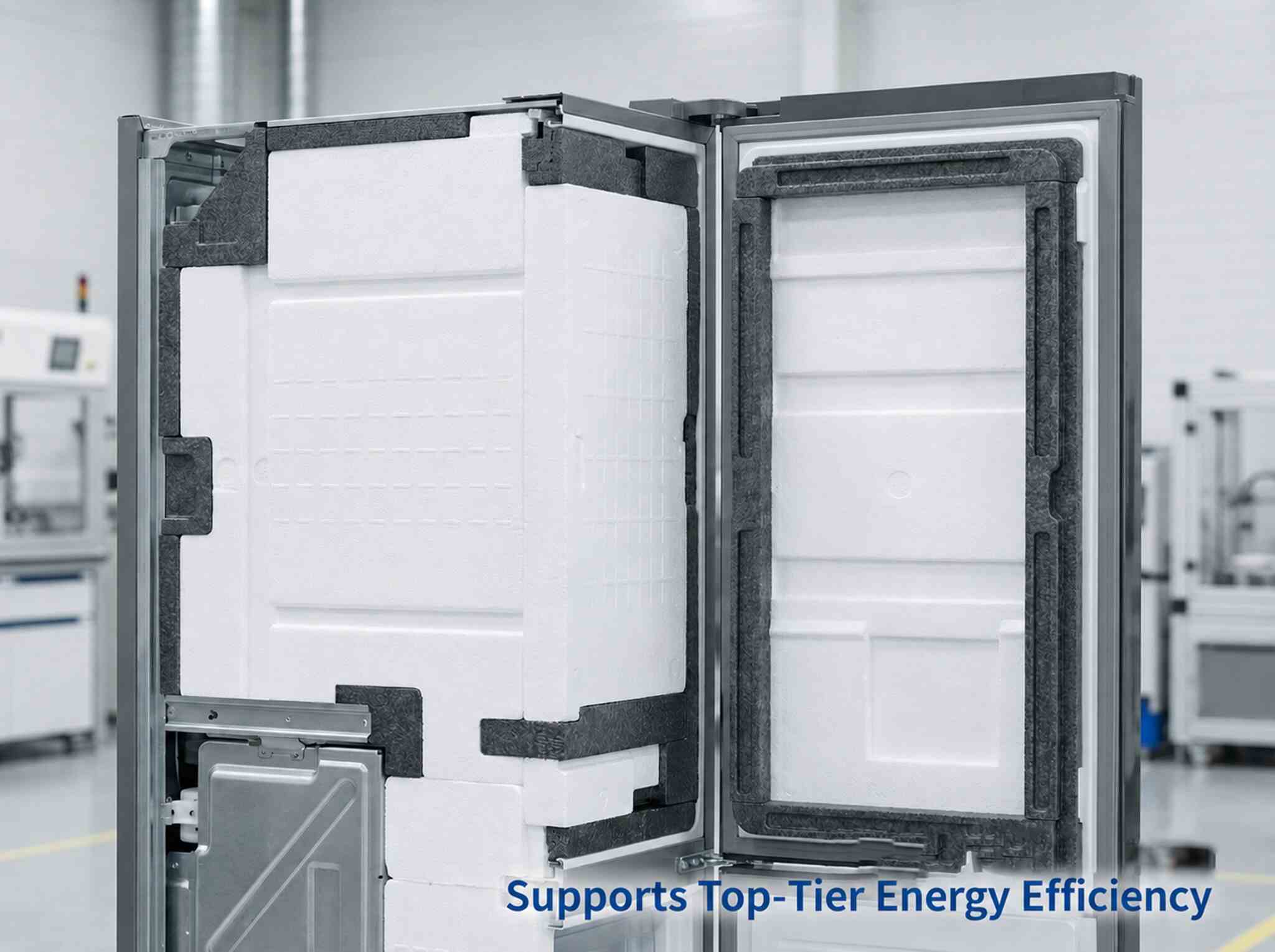
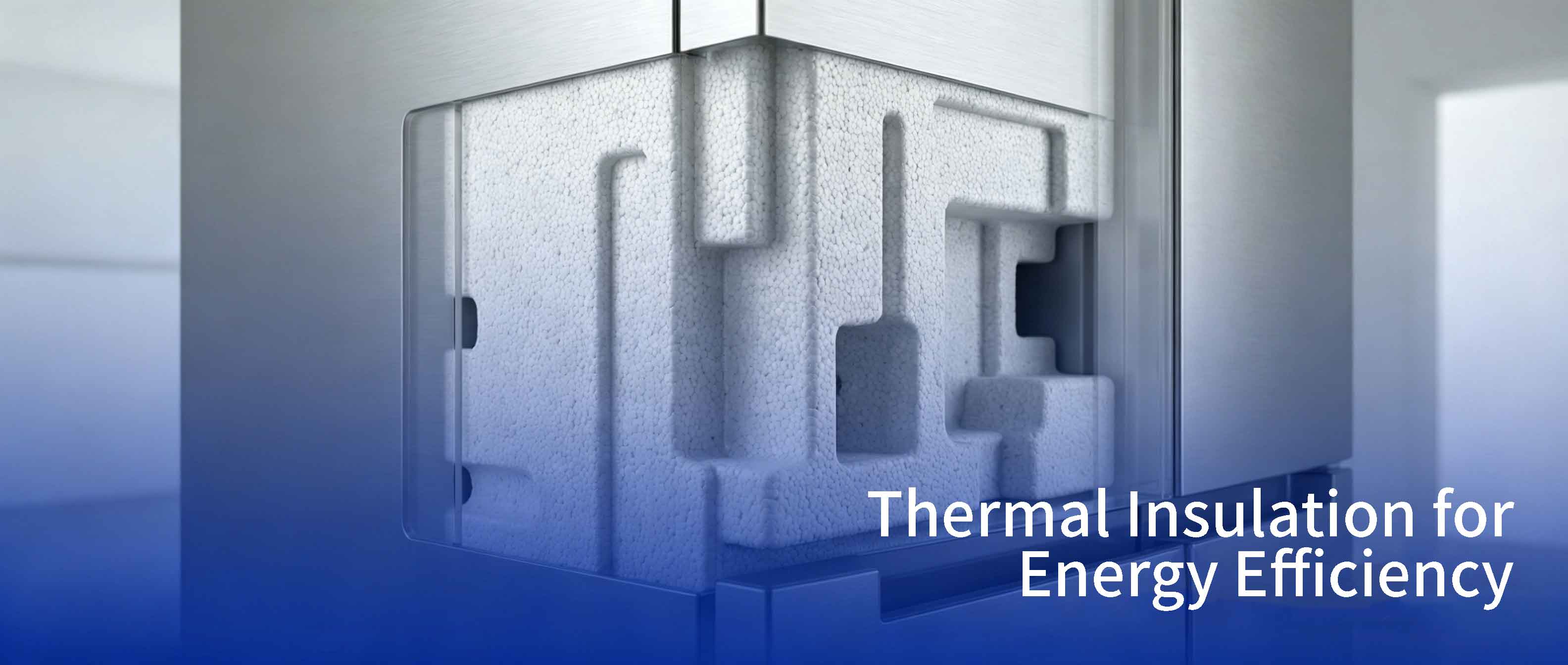
a. Challenge: Poor insulation leading to high energy consumption and low energy efficiency rating
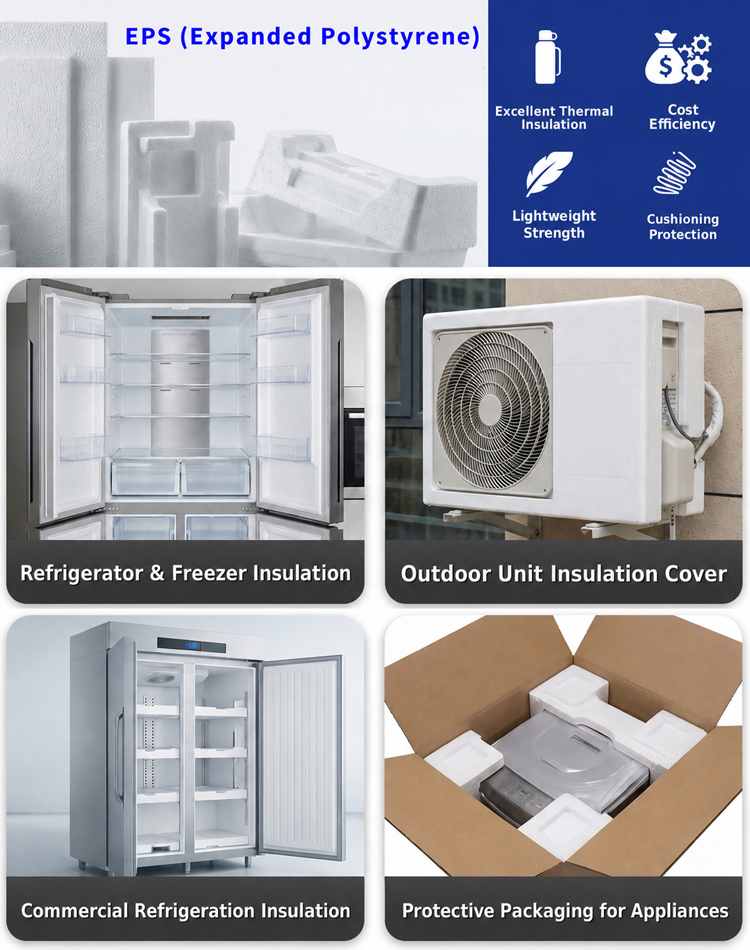
b. Material Selection: EPS insulation layer + EPP sealing components
c. Core Benefits: Excellent thermal insulation; reduced compressor cycles; supports high energy efficiency standards
d. Applications: Smart refrigerators, built-in freezers, and cold storage appliances
e. Image: EPS refrigerator insulation structure
a. Challenge: Heat loss, surface overheating, and safety risks
b. Material Selection: EPS insulation layer + MPPE thermal protection components
c. Core Benefits: Heat containment and energy loss reduction; anti-scalding protection; compliance with safety standards
d. Applications: Air conditioner outdoor units, water heaters, and built-in kitchen appliances
e. Image: MPPE thermal protection component in built-in oven
3. Thermal Insulation & Energy Efficiency
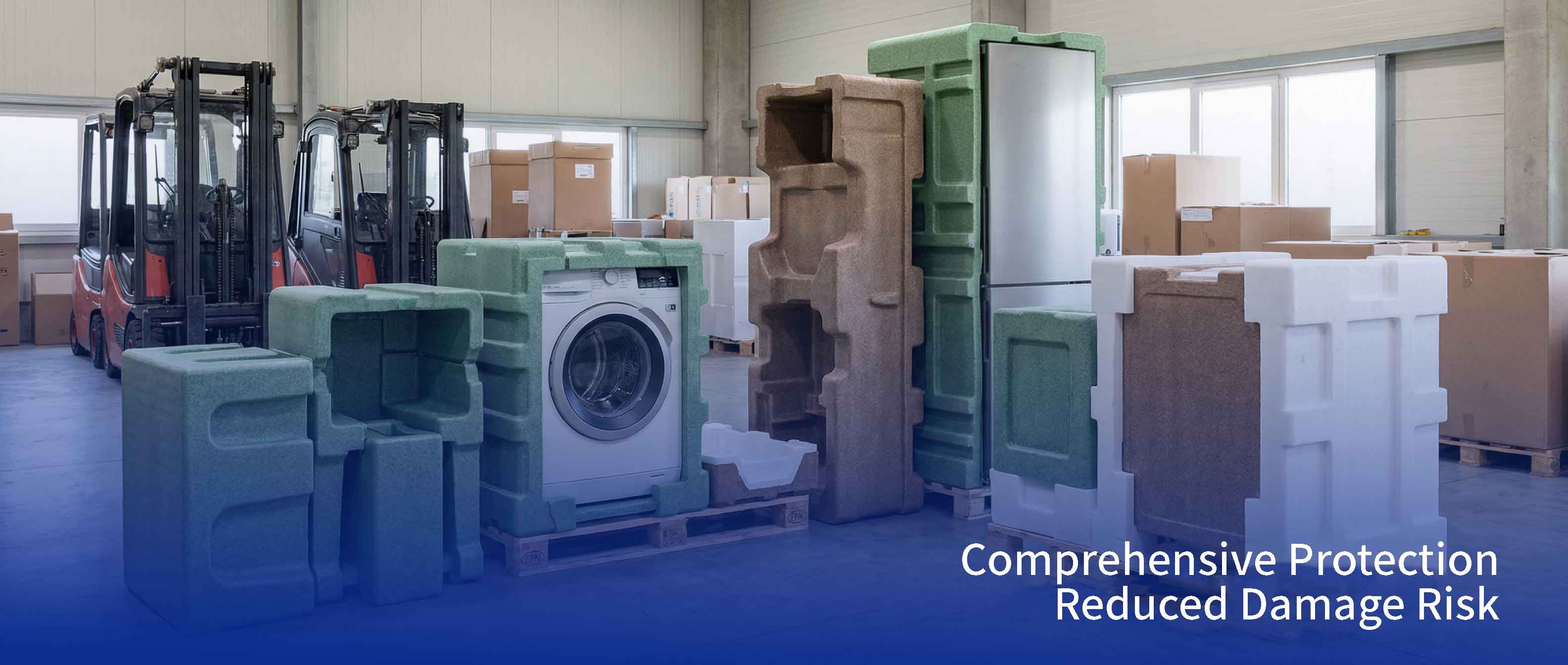
Complete Appliance Transportation Packaging
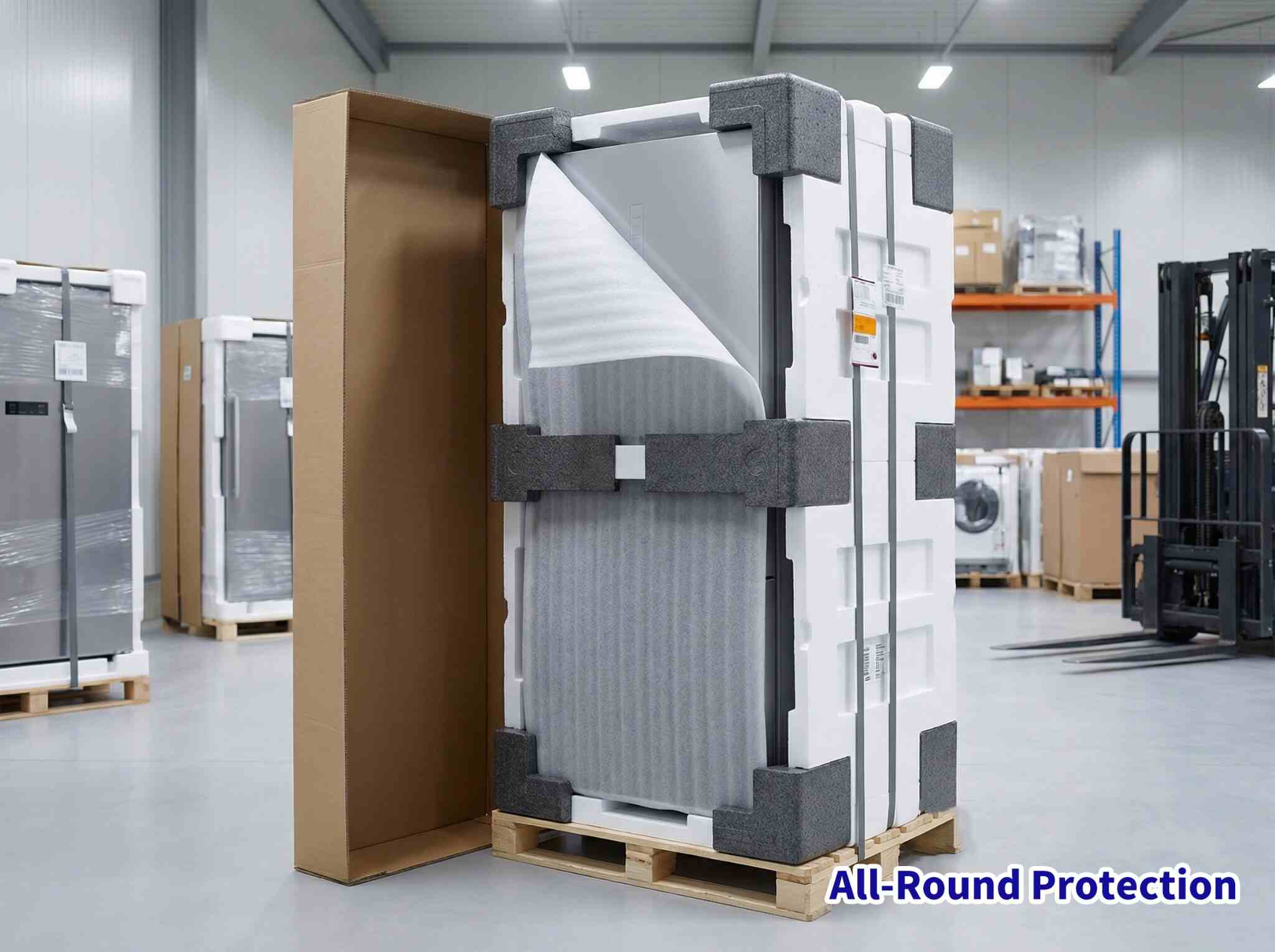
a. Challenge: Surface scratches and internal component damage during transport
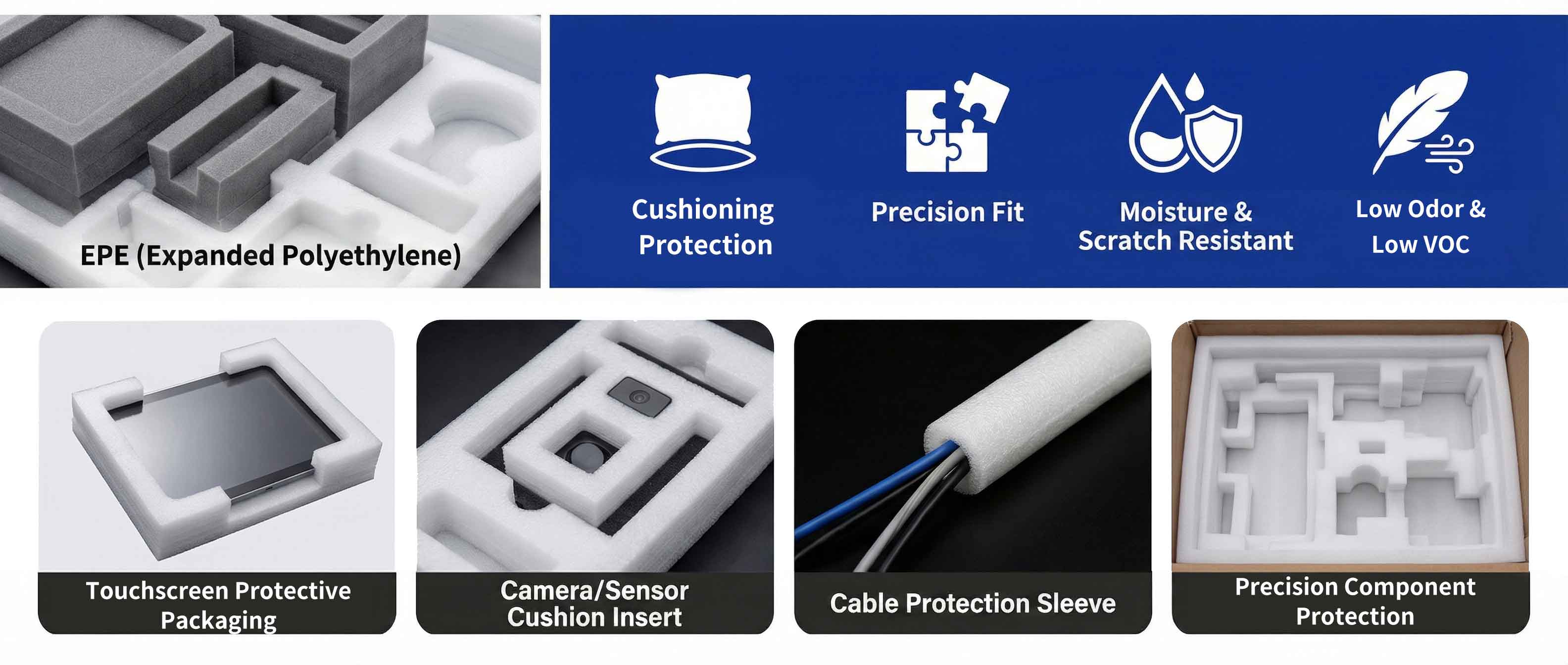
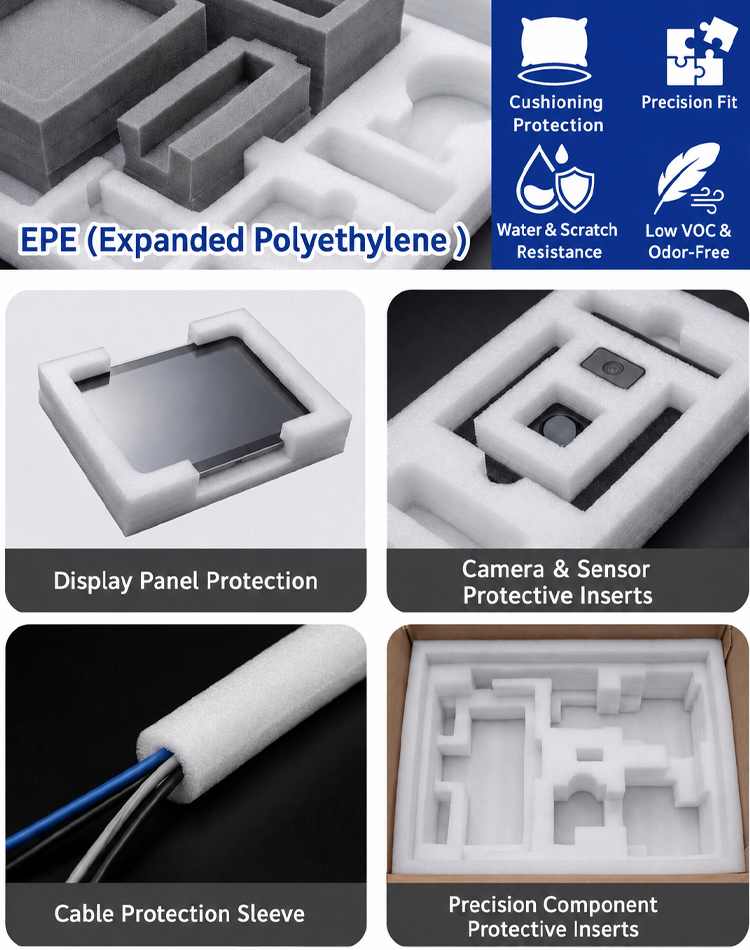
b. Material Selection: EPE cushioning inserts + EPS outer packaging + EPP fixing components
c. Core Benefits: Full-range protection; impact resistance; significantly reduced damage rate
d. Applications: Smart TVs, air conditioners, and refrigerators
e. Image: Refrigerator transport packaging system
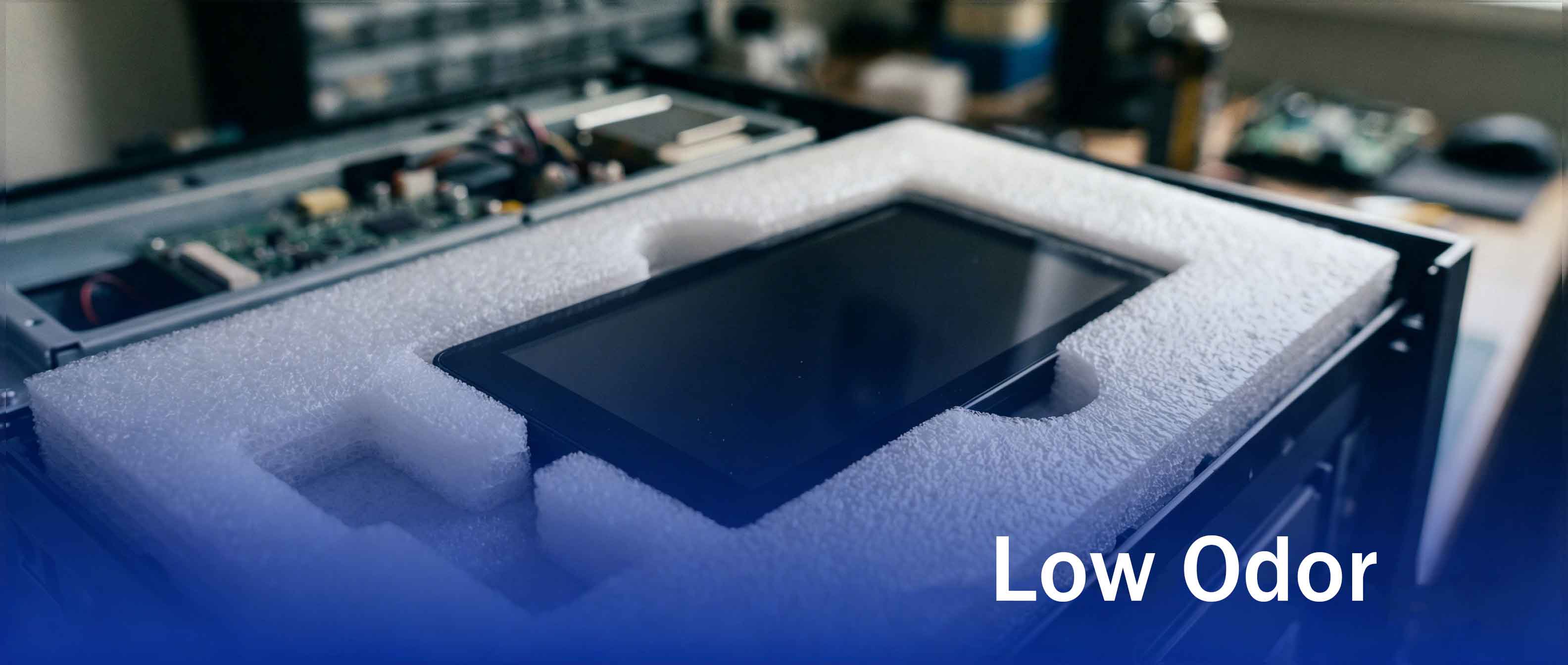
Component & Precision Parts Packaging
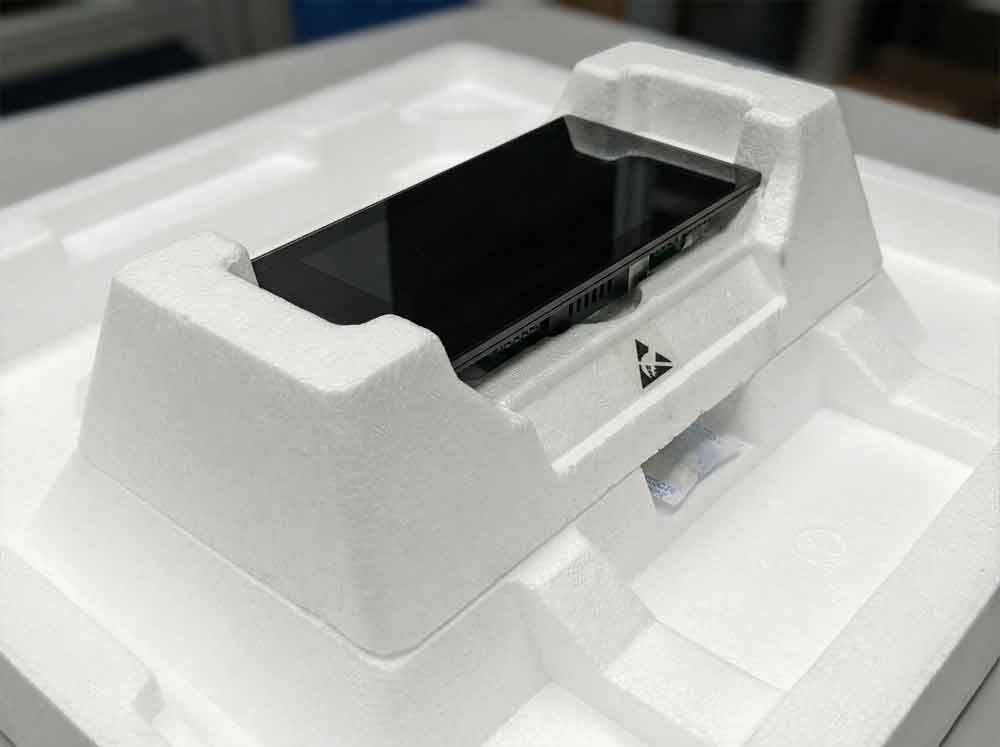
a. Challenge: Moisture, static, and handling damage of precision components
b. Material Selection: EPE composite packaging + custom EPO inserts
c. Core Benefits: Anti-static and moisture protection; precise positioning; scratch-free protection
d. Applications: Remote controls, sensors, and touch panels
e. Image: EPO custom packaging for touch panel